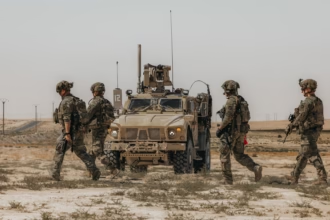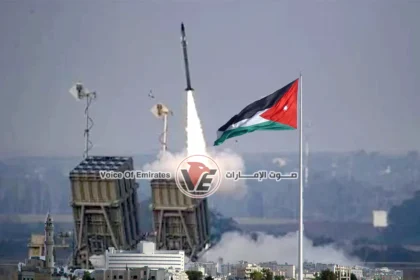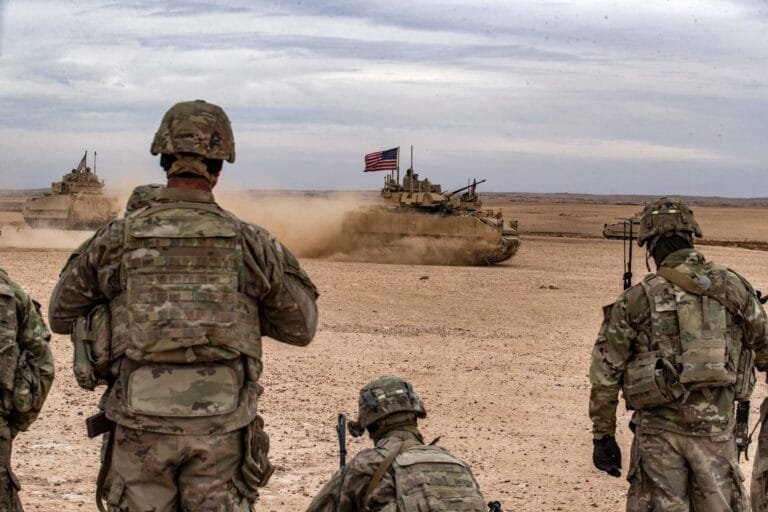
Washington, D.C. — Voice of Emirates: The U.S. Central Command (CENTCOM) revealed precise details regarding the results of the military strike on Iran that targeted strategic locations. The Command confirmed that the operations resulted in the destruction of vital military facilities. Likewise, it caused extensive damage to the infrastructure linked to the regime’s defensive and offensive capabilities. Furthermore, the statement explained that these actions aim to undermine threats affecting international navigation stability and the security of regional allies.
Destruction of Missile Depots and Drone Platforms
According to the official statement, the targeted sites included ballistic missile depots and advanced drone launch platforms. In addition, locations suspected of being linked to secret military development programs were targeted. This led to a significant reduction in the operational capabilities of these systems. CENTCOM clarified that the strikes were executed with very high precision. Moreover, they focused on specific points to minimize unintended casualties while concentrating heavily on weakening command and control networks.
Field Impacts and Clear Political Messages
Preliminary assessments indicate that the results of the military strike on Iran will directly affect Tehran’s ability to conduct military activities outside its borders. Accordingly, experts anticipate a decline in drone attacks in the coming period due to the scale of damage to manufacturing workshops. On the other hand, Tehran has not yet announced precise details regarding the volume of human or material losses. It merely asserted its legal right to respond, reflecting the ongoing state of tension and anticipation in the region.
Strategic analysts believe that Washington’s announcement of the results of the military strike on Iran in such an explicit manner serves as a powerful political and military message. Therefore, these operations aim to reshape deterrence rules without escalating into a full-scale, open confrontation. In conclusion, the region remains in a state of delicate balance between the desire to curb military influence and the need to avoid a comprehensive regional explosion that could threaten global energy interests.