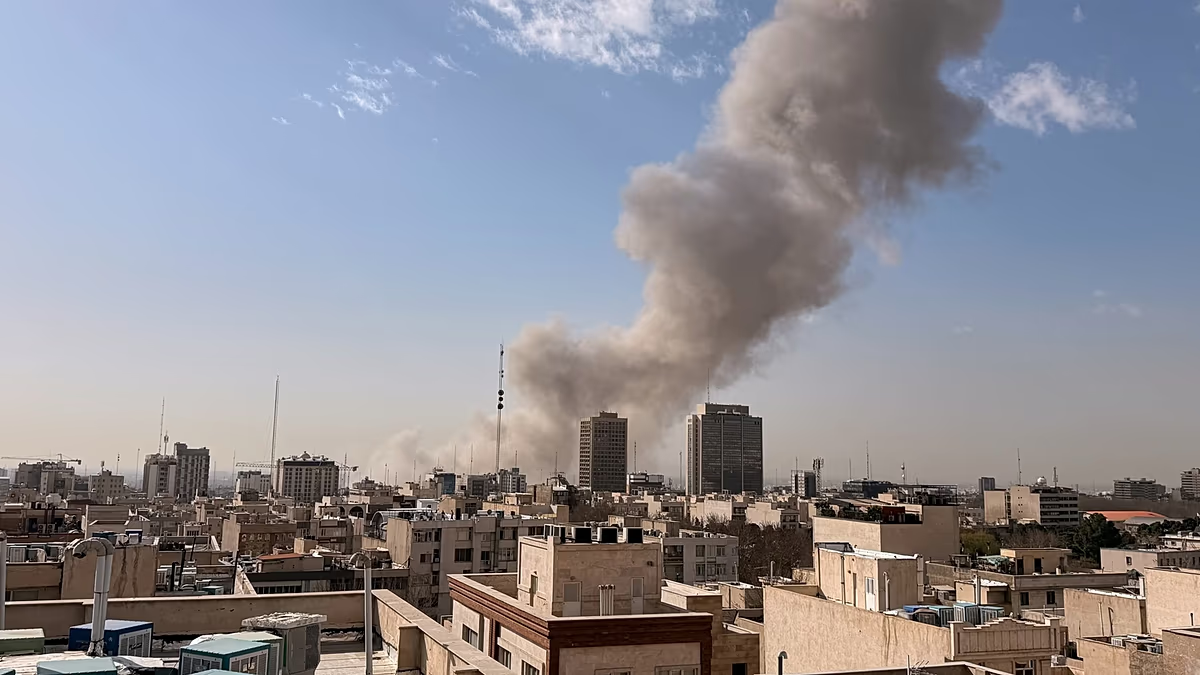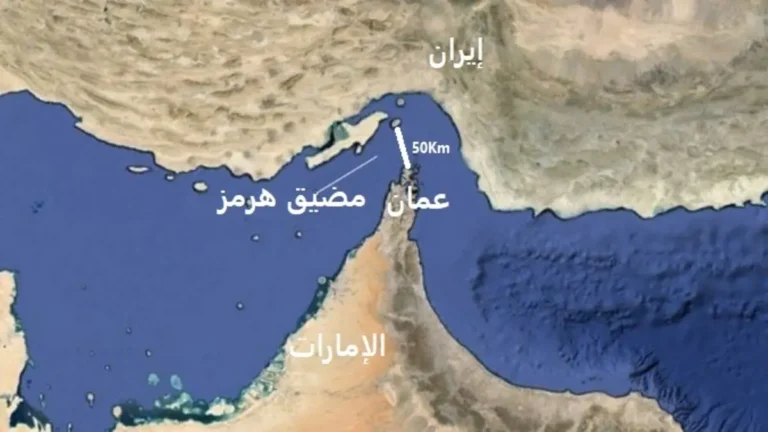
Brussels, Belgium – In a dramatic development, the most serious of its kind in decades, a senior European Union official announced that international shipping in the Strait of Hormuz has effectively ceased. This came after commercial vessels and oil tankers received direct radio messages from Iranian Revolutionary Guard units ordering them to immediately halt and cease all transit. This Iranian declaration of a “closed strait” poses a catastrophic threat to global energy security, the full extent of which is unpredictable.
Revolutionary Guard messages and maritime panic
According to European sources, the Iranian messages were unequivocally firm, instructing captains to immediately comply with the Revolutionary Guard’s directives. Explicit warnings were issued that force would be used against any vessel attempting to proceed. This move triggered unprecedented panic in the international shipping industry, prompting dozens of tankers to alter their routes or remain at sea. Meanwhile, marine insurance companies went on high alert.
The oil artery is in the grip of confrontation.
The danger of this closure lies in the strategic importance of the Strait of Hormuz, which is considered the “lifeline” of the global economy.
The strait, which is only 33 kilometers wide at its narrowest point, sees up to 21 million barrels of crude oil pass through it daily. This represents about 20% of the world’s energy supply.
A halt to this flow would not only mean a fuel shortage but also a paralysis of global supply chains. It would also cause economic hardship for countries dependent on Gulf gas and oil.
Market turmoil and NATO mobilization
Energy markets were not immune to this panic; crude oil prices jumped sharply immediately after the news broke. This came amid expectations of a dramatic increase in shipping costs following the region’s designation as a “high-risk war zone.”