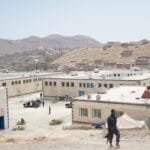
Islamabad, Pakistan – The Pakistani federal government and armed forces have denied issuing any instructions to “evacuate” residents of the Tirah Valley in Khyber Pakhtunkhwa province. Claims of “forced displacement” of the population were deemed misleading and intended to sow panic among citizens. The Pakistani Ministry of Information confirmed in an official statement that the current relocation in the valley is a “voluntary and temporary movement.” It was based on the wishes of the residents expressed through a local representative council (jirga). The ministry indicated that security operations against terrorist groups in the region are based on accurate intelligence. The government clarified that it has allocated 4 billion rupees to facilitate transportation and provide food support to those who have voluntarily relocated.
Political controversy surrounding displacement
This clarification comes after scathing remarks from Khyber Pakhtunkhwa Chief Minister Sohail Afridi of the Pakistan Tehreek-e-Insaf (PTI) party. He accused the federal government of making decisions “behind closed doors” to displace residents. He also asserted that the military operations were “imposed” on the region.
Humanitarian crisis due to weather
Meanwhile, the Human Rights Commission of Pakistan warned of an impending humanitarian crisis. Thousands of displaced families are facing heavy snowfall and sub-zero temperatures. The commission noted shortages of shelter, food, and medical aid. The provincial administration was forced to temporarily suspend evacuations. In addition, it launched emergency rescue operations for the most vulnerable.
Context of the military operation
Sources indicate that an agreement was reached in December 2025 between tribal elders and security officials. According to the agreement, the valley must be cleared to pave the way for a comprehensive military operation against banned terrorist groups. This explains the current timeline for displacement. The Tirah region is experiencing a state of confusion, caught between the pressures of military operations and political tensions between the central government and the region. Harsh weather conditions are also exacerbating the suffering of the displaced population.