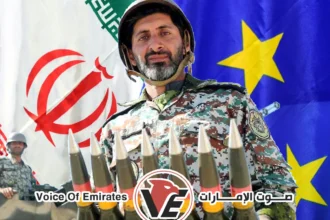
Tel Aviv, Israel – Hebrew media reports indicate a state of high alert within the Israeli security establishment. This comes amid growing assessments that Tehran may resort to a preemptive strike against Israel, driven by a miscalculation of Washington’s intentions. Washington continues to amass its military forces in the region.
“Miscalculation” scenario: Will Iran launch the first strike?
Israeli Channel 12 reported that concerns in Tel Aviv stem from the Iranian leadership’s belief that the decision to launch a US attack has already been made and is no longer merely a threat. This belief could prompt Tehran to preemptively attack Israel, a readily available and nearby target, before any large-scale US military operation against it begins.
Factors that fuel tension
The US mobilization is complete: the deployment of aircraft carriers, warships, and missile interceptor systems in the Middle East will be completed within days.
The diplomatic track has failed: Israel is convinced that the “military option” is now more likely than negotiations, despite the public statements by the United States regarding dialogue.
Internal unrest: Tehran has been under constant pressure since popular demonstrations erupted in Iran in late December 2015 in protest against deteriorating living conditions.
Netanyahu and Trump: Behind the scenes of coordination and the postponed attack
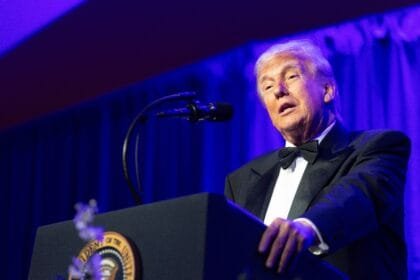
In a related development, Axios revealed that US President Donald Trump was on the verge of ordering an attack on Iran on January 13. However, the attack was called off for diplomatic and logistical reasons.
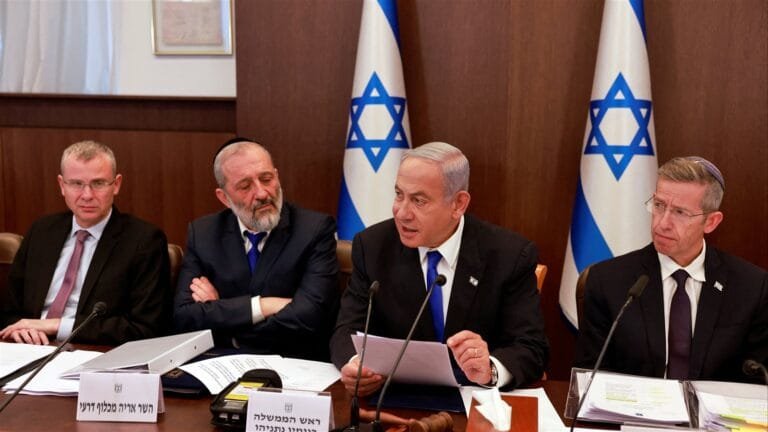
The point of contention: The report stated that Prime Minister Benjamin Netanyahu explicitly told Trump that Israel was currently “not prepared” for a potential Iranian response. He believed that the then-proposed American plan “did not possess sufficient strength” to deter Tehran completely.
Israeli readiness: “Prepared for both defense and offense”
For his part, Israeli military spokesman Efi Defrin confirmed that the state of alert had been raised to its highest level to counter any “surprise scenarios.” Despite the intensified air and offensive reinforcements, Defrin indicated that there were no current changes to the Home Front Command’s instructions. However, a state of “critical waiting” remained in place as the coming days unfolded. Tehran, for its part, accuses Washington and Tel Aviv of using sanctions and fomenting internal unrest to create a “pretext” for military intervention and regime change. This further exacerbates the already precarious situation in the region.