Tehran, Iran – Iran has entered a historic turning point as popular protests and business strikes entered their third day. This was fueled by a record collapse of the local currency (the rial). The situation prompted authorities to make urgent changes in the leadership of the central bank, amid a heavy security presence and warnings of renewed unrest.
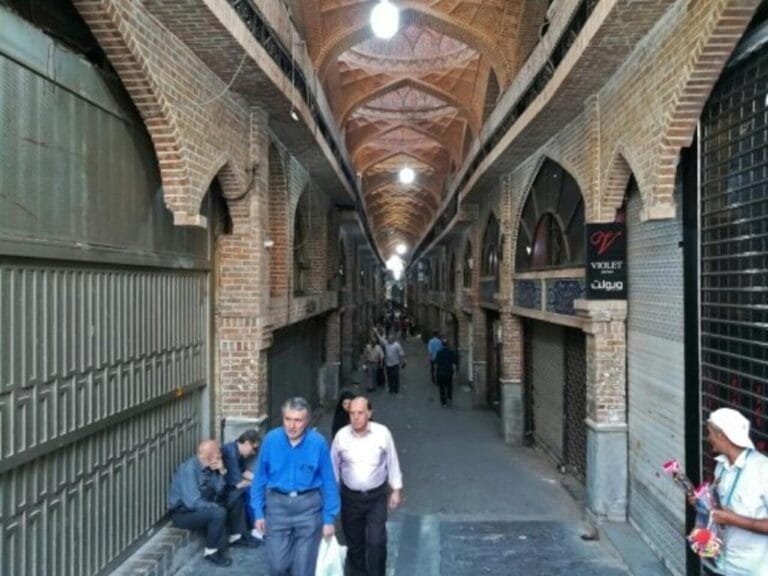
Paralysis in the economic arteries: The closure of the “Grand Bazaar”
For the third consecutive day, the civil disobedience movement spread to the markets. Shops closed their doors in Tehran’s main commercial centers, including the districts of Shush, Molavi, and Gilukhan, as well as the gold, iron, and furniture markets in Yaftabad. The historic Naqsh-e Jahan Square in Isfahan also joined the strike. Currency exchange transactions were completely halted in Ferdowsi Square.
The square is ablaze
Protesters in Lalehzar and Jomhouri Street chanted slogans that went beyond demands for improved living conditions. These included “Death to the dictator,” “This is the year of blood,” and “The mullahs must go.”
Videos documented clashes between protesters and security forces in Tehran, where authorities used tear gas to disperse crowds who chanted “Shame” against government forces.
An unprecedented security mobilization was reported in Tehran, Karaj, and Mashhad to prevent gatherings from turning into a “full-blown uprising”.
Earthquake at the Central Bank: Hemmati returns
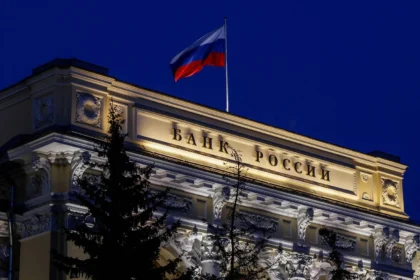
In an attempt to quell public anger and calm the markets, the Iranian president’s office announced the resignation of Mohammad Reza Farzin as governor of the central bank and accepted his resignation. Abdolnasser Hemmati (a former economy minister and former central bank governor) was appointed in his place. Experts believe this change may only have a temporary psychological effect, given the deep structural crisis.
University and prison front: Calls for uprising
Students joined the movement. Student organizations at universities in Tehran, Shiraz, and Amirkabir called on students to join the protests, thus increasing the momentum of the popular movement.
Prominent political prisoner Abolfazl Ghadiani issued a statement asserting that “Iran’s salvation depends on the downfall of the Islamic Republic,” and praising the ongoing strikes.
The government’s position: Accusing the “enemy” and warning against “sedition”.
The Iranian Ministry of Intelligence described the political slogans as a “scenario to destabilize security, orchestrated by foreign powers.”
Attorney General Mohseni Ejei ordered that those he called “the factors behind the currency fluctuations” be dealt with seriously. These individuals, he claimed, are acting in the enemy’s interest.
Meanwhile, the Revolutionary Guard warned in a statement against what it called “reproducing sedition,” coinciding with what is called “Insight Day.”
Shocking figures: the dollar and gold
After the dollar surged to a record high of 144,000 tomans on Sunday, it saw a slight decline, hovering around 137,000 tomans on Monday. This was a result of widespread anxiety and a halt in buying and selling. Meanwhile, gold reached unprecedented levels (167 million tomans) before retreating slightly. This occurred amidst point-by-point inflation exceeding 52%.
While parliamentarians are demanding budget reforms and a unified exchange rate, Iranian public opinion is seething under the weight of poverty and repression. The fact that state media outlets have begun reporting on the protests for the first time is a sign of the regime’s inability to conceal the extent of the anger. This anger is no longer confined to the poor; it has struck at the heart of the historic bazaar, a former traditional ally of the regime.