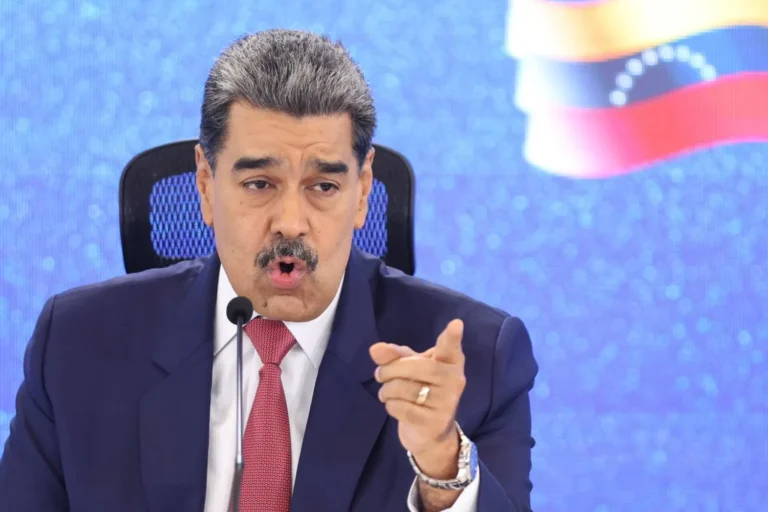
Caracas, Venezuela – In a preemptive diplomatic move, the Venezuelan government, led by Nicolás Maduro, requested an emergency meeting of the United Nations Security Council. The aim was to discuss what it described as an “imminent US aggression.” This came after a tense night in which the world held its breath awaiting a US military decision that has yet to be made public.
Trump’s speech: Ignoring Venezuela and focusing on the economy
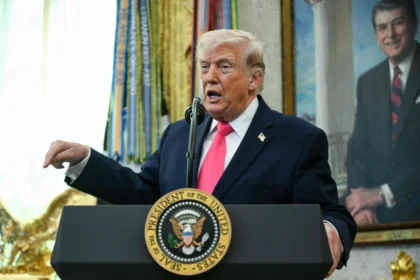
Political circles were stunned after the US president defied expectations. The media had been abuzz with predictions, including leaks from the White House and reports by journalist Tucker Carlson, all asserting that the war was over. Instead of announcing military action in his address to the nation, Trump focused on “economic achievements,” boasting that the world had “stopped laughing at America.”
Observers believe this retreat may be a tactic to eliminate the element of surprise. Or perhaps it’s a postponement of the decision to go to war. Or, as a third possibility, simply a “political ploy” to divert attention from his declining economic popularity. His popularity has clearly plummeted, standing at no more than 33% according to opinion polls.
Maduro: Washington wants our oil and our land
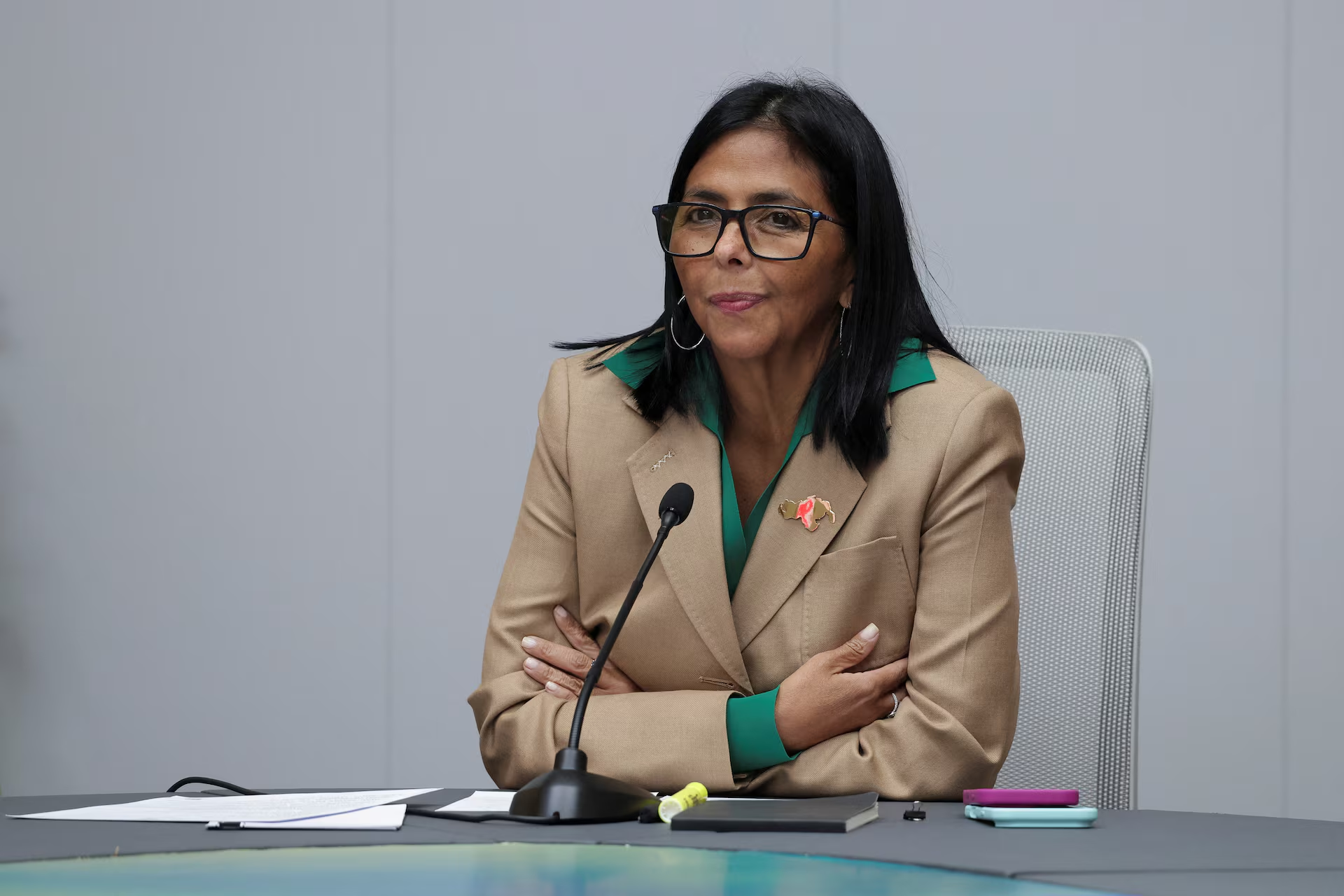
For his part, Venezuelan President Nicolás Maduro launched a scathing attack on the US administration, asserting that its ambitions extended beyond the political stance in the presidential elections to encompass the country’s resources as well.
“The United States is acting as if Venezuela’s oil, gold, and minerals belong to it… It has even gone so far as to demand our land immediately, and this is simply outrageous.”
The threat of war still exists.
Despite the absence of an official declaration of war, field and political indicators in Washington suggest otherwise. American warships remain stationed off the Venezuelan coast. This has prompted Caracas to send its oil tankers under heavy military escort.
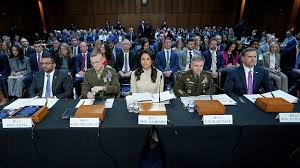
The US House of Representatives rejected a resolution that would have prohibited military action against Venezuela without authorization. This rejection grants the US administration greater flexibility in its actions.
Venezuela: The backyard of the conflict with China
Experts agree that the US escalation against Caracas is merely another chapter in the geopolitical struggle with China. Washington cannot tolerate Beijing’s growing activity in its “backyard.” Furthermore, eliminating Chinese influence in Venezuela is considered a strategic objective that goes beyond simply changing the regime in Caracas.
Between the threat of military action on the ground and the political maneuvering in Washington, Venezuela remains in a state of “war on hold.” It awaits the outcome of the Security Council meetings in New York.