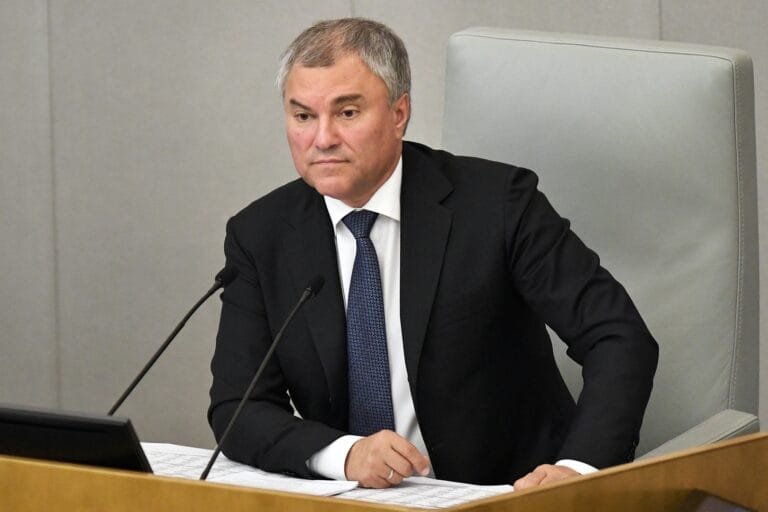
Moscow, Russia – During his participation in a session of the Parliamentary Assembly of the Collective Security Treaty Organization (CSTO), Russian State Duma Speaker Vyacheslav Volodin called for studying the Chinese experience in regulating and developing artificial intelligence systems. This model is considered one of the most advanced and rigorous globally. Technology experts emphasize that drawing on international experience in developing neural networks is a crucial step for formulating effective regulatory policies within Russia and the CSTO member states.
China was among the first countries to establish mandatory and detailed regulatory standards for artificial intelligence. Today, it operates within a legal framework that combines oversight with the promotion of targeted innovation.
Among the most prominent rules it adopted are the guidelines that came into effect on September 1st. These guidelines stipulate the need for clear labeling of AI-generated content to ensure transparency and protect users.
AI service providers in China bear full responsibility for complying with these rules. This includes ensuring the security of training data, using legally sourced datasets, and adhering to personal data protection laws.
In this context, Elena Zinovieva, a professor in the Department of Global Policy Operations at the Moscow State Institute of International Relations (MGIMO), told the Russian news agency that the Chinese model is a prime example of centralized innovation policy. It is based on the development of sovereign, state-backed AI.
Its key features include: enhancing national security and public stability, data sovereignty, proactive regulation, experimenting with innovations within a regulated environment, as well as supporting “national heroes” in the artificial intelligence sector.
She added that this model is highly applicable in Russia, particularly in terms of building a secure and reliable AI ecosystem that ensures data sovereignty at the infrastructure and legislative levels. However, she cautioned that there are structural and cultural differences between the two countries, most notably the size of the domestic market and the value system. This could make the Russian model more diversified and less centralized, with a greater focus on sectoral needs and specific Russian cultural contexts.