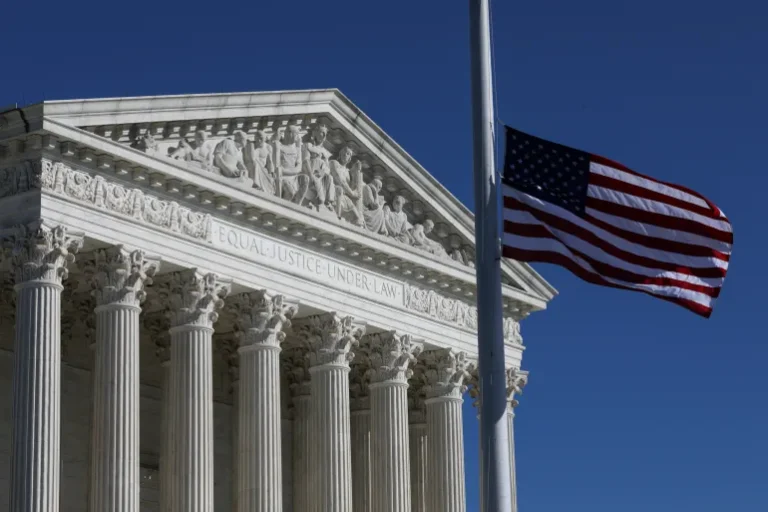
The tariffs imposed by US President Donald Trump during his term have once again become the subject of controversy. This comes after the US Supreme Court expressed doubts about the legality of these measures, suggesting they may have exceeded the constitutional powers granted to the executive branch.
During a hearing in Washington, several judges indicated that decisions made by the Trump administration at the time—particularly those concerning tariffs on steel and aluminum imports—may have overstepped the authority of Congress. Congress is responsible for trade legislation.
These developments follow a series of lawsuits filed by American companies harmed by the tariffs. These companies argued that the tariffs caused significant losses and negatively impacted the competitiveness of domestic industries.
Observers believe the court’s decision could pave the way for a comprehensive review of the trade policies pursued by the Trump administration. It could also limit the power of future presidents to impose tariffs without clear authorization from Congress.
This issue is one of the most sensitive in the American economic landscape. This is especially true given the continued impact of these tariffs on trade relations between the United States and several of its key partners, most notably China and the European Union.