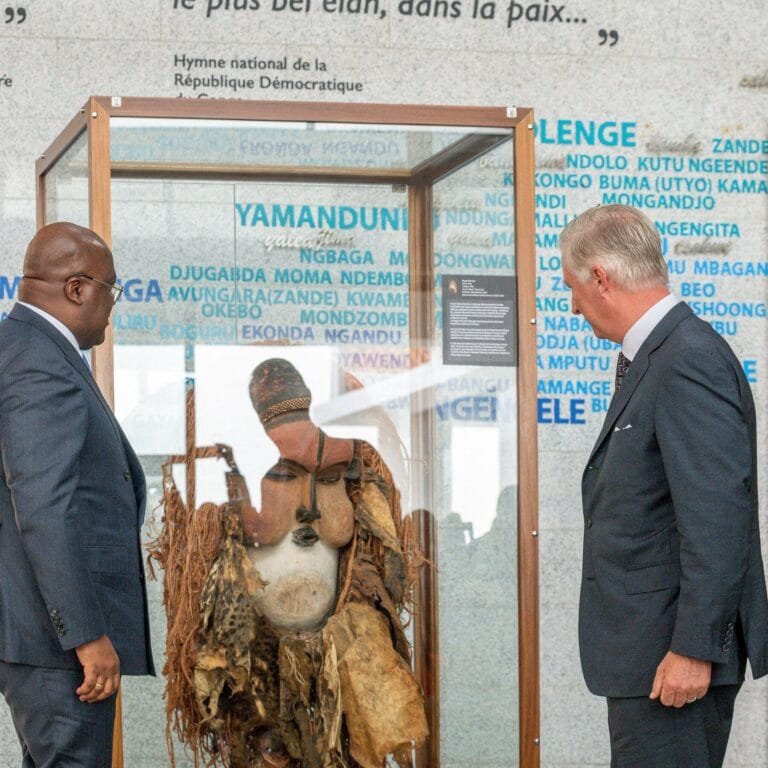
Brussels, Belgium – A prominent Belgian museum’s decision to refuse the transfer of rare documents and historical maps to the Democratic Republic of the Congo has sparked widespread debate. This controversy highlights the crisis of cultural heritage ownership linked to the era of European colonialism in Africa, amid increasing international demands to return historical artifacts to their countries of origin.
Diverging Perspectives on Historical Legacy
Museum officials stated that the disputed documents and maps are part of archival collections preserved for decades. They emphasized that these items are subject to strict regulations and procedures related to the preservation of historical heritage and accessibility for researchers and the public, asserting that the institution has no intention of transferring them at this time.
Conversely, Congolese authorities maintain that these documents represent a crucial part of the country’s national memory, documenting pivotal stages of Congo’s history during the colonial era. Kinshasa argues that repatriating this archive would empower local researchers and historians to understand their nation’s history more completely and independently.
A Broader European-African Debate
This dispute occurs within a wider European discussion regarding the repatriation of artifacts, manuscripts, and documents taken from former colonies during the 19th and 20th centuries. Numerous African nations are demanding the return of items they consider essential to their cultural and historical identity.
Heritage experts point out that old maps and documents are just as important as physical archaeological artifacts; they contain essential historical, administrative, and geographical data required to understand the evolution of nations, granting them significant scientific and cultural value.
Legal Complexities and Future Challenges
While some European nations have taken practical steps to return items to African countries in recent years, many cases remain deadlocked due to legal complexities and differing views on historical ownership, preservation standards, and research accessibility.
The debate between Belgium and Congo reflects the enduring impact of the colonial era on bilateral cultural relations. Meanwhile, international calls are growing for solutions that balance the protection of global cultural heritage with respect for the right of peoples to reclaim their historical and cultural legacy.