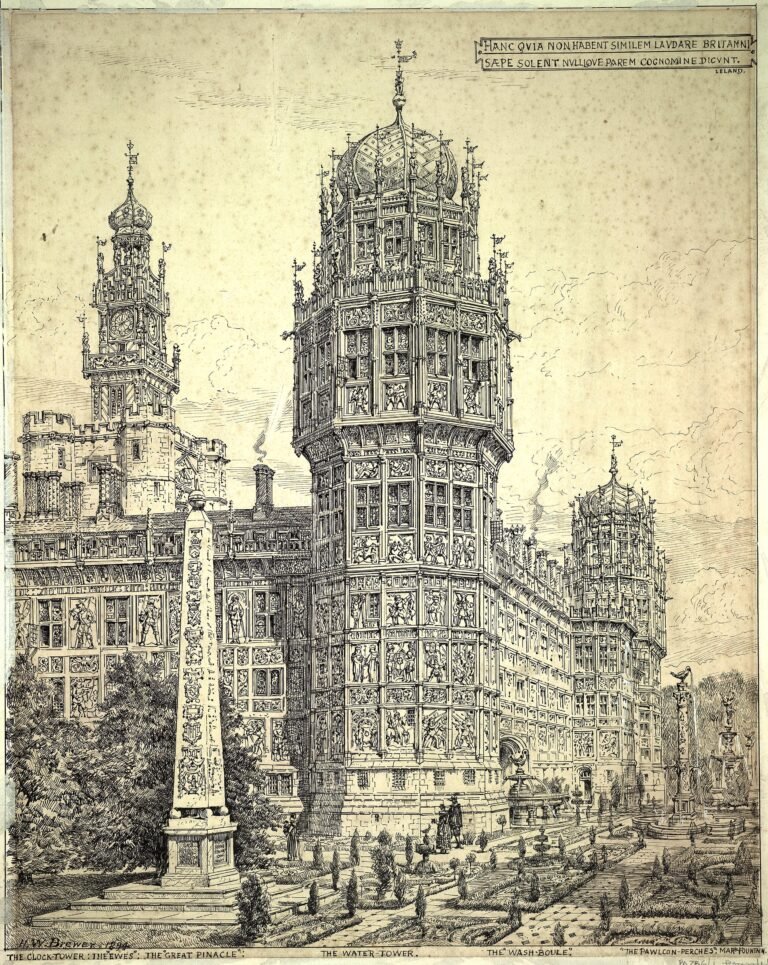
London, UK – A surprising archaeological discovery in Britain has sparked widespread interest after remnants believed to belong to one of Henry VIII’s lost Tudor palaces were unearthed beneath a modern school building. Consequently, the discovery occurred during routine construction work, revealing ancient stone foundations matching royal architectural styles from the 16th century. Moreover, the team was forced to halt excavations to allow experts to study the site thoroughly. As a result, preliminary evidence suggests the location may have been a royal lodge or wing used during the reign of Henry VIII. Thus, this site adds a new mystery to the series of palaces that have been lost to time and urban expansion over the centuries.
The Scientific Value of This Historical Find
Archaeologists explain that the association of the site with a figure as significant as Henry VIII greatly elevates its scientific and historical value, even if finding antiquities under modern facilities is not uncommon in Britain. Accordingly, specialized teams have begun analyzing the discovered bricks and ceramics, alongside conducting 3D surveys to recreate the original layout of the palace. Conversely, historians believe this find will contribute to redrawing the history of the Tudor era, specifically regarding less-renowned royal estates. Consequently, the discovery opens a unique window into understanding court life that has not received the same attention as London’s major royal sites.
Continued Excavation and Preservation of Royal Heritage
Archaeological authorities expect excavation and research work to continue for several months to uncover more facts about the nature of this site. On the other hand, the discovery has triggered growing media interest due to the mysteries surrounding the life of Henry VIII and his vanished palaces. Consequently, the current efforts aim to document this legacy before any further urban development takes place. Ultimately, this find remains a testament to the richness of British history buried right beneath our feet. Accordingly, the coming months will reveal more precise details about the palace’s role in royal life during the 16th century.