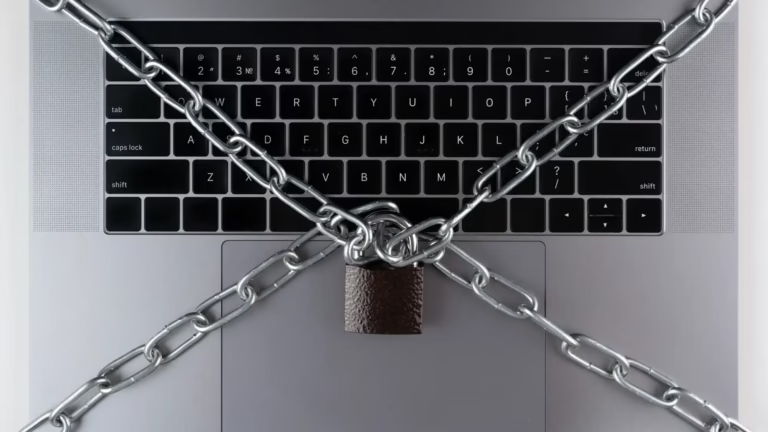
Voice of the Emirates – The web is full of information, but it’s also full of risks. From viruses and hacks to online fraud and data theft, maintaining your digital security has become a daily necessity, even if you’re not a tech expert. Here are 12 practical tips to help you easily protect yourself and your personal accounts:
- Use strong, unique passwords for each account.
Never reuse the same password. Make each password long and distinctive, ideally using a combination of uppercase and lowercase letters, numbers, and symbols. - Enable two-factor authentication (2FA).
Even if someone compromises your password, two-factor authentication adds an extra layer of security by requiring you to confirm your identity with your phone or email. - Keep your apps and operating system updated. Updates often contain patches for security vulnerabilities, so don’t ignore them.
- Be careful with links and attachments.
Do not click on suspicious links or open attachments from untrusted sources. They could be a way to hack or steal your data. - Use a VPN when connecting to public networks. Public Wi-Fi networks are not secure. Therefore, using a VPN protects your data and hides your online activity.
- Avoid sharing personal information excessively.
Do not disclose your address, phone number, or financial information except on trusted and secure websites. - Check the security of websites before entering data. Look for the padlock icon in your browser’s address bar and the HTTPS extension. Do this before entering any sensitive information.
- Beware of phishing emails. Any message asking for sensitive information or immediate login could be a scam. Always verify the sender and location before interacting.
- Use reliable security software. Antivirus and firewalls help prevent malware from accessing your device.
- Keep backups of your important data, whether on an external hard drive or in the cloud. Backups protect you from file loss in the event of an attack.
- Be careful with new apps and games.
Make sure to download apps only from official stores, and review the permissions before agreeing to them. - Continuously educate yourself about digital security. Knowledge of digital threats and how to deal with them is the first line of defense. This applies to any user, even a beginner.
By following these steps, you can browse more safely and reduce the digital risks around you, without needing to be a tech expert. The internet is safe for those who know how to protect themselves!