
Exclusive, Voice of the Emirates – Political analyst Tariq Abu Zeinab, specializing in Arab and Gulf affairs, told Voice of the Emirates that the recent revelations by Kuwaiti security authorities represent a “strategic blow” to Iranian infiltration tactics in the region.
He noted that Kuwait has effectively begun adopting a proactive security approach.
This model is similar to the United Arab Emirates’ method of cutting off funding sources for terrorism
and dismantling the infrastructure of suspicious organizations before they expand.
“Soft” fronts for breaching national security
Abu Zeinab explained that the dismantled network employed a sophisticated approach, utilizing “soft fronts” such as charities, commercial entities, and social institutions.
He said, “This network wasn’t simply a fundraising group; it was a complex financial structure
that managed to operate for years under the guise of humanitarian and legal work.
Its objective was to move capital through highly intricate land, sea, and air routes.
Ultimately, the goal was to reach Tehran and the southern suburbs of Beirut.”
Money trails: From fictitious real estate to Hezbollah
In his statement to “Sawt Al Emarat,” Abu Zeinab revealed serious details regarding the money laundering mechanism,
indicating that investigations proved the use of the pretext of “purchasing real estate in tourist areas in Lebanon” as a cover for transferring huge sums.
He added: “It became clear that these real estate deals were nothing but flimsy facades,
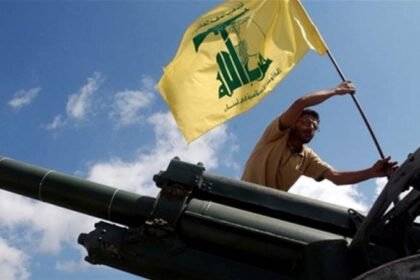
and the real objective was to funnel cash into the coffers of Hezbollah in Lebanon.
This reflects the interconnectedness of the financial networks between Iran’s proxies in the region.
He also pointed to the use of Kuwait as a back channel for financing.”
Political earthquake and the involvement of prominent figures
Regarding the internal ramifications of this case, Abu Zainab pointed out
that the investigations have extended beyond ordinary individuals to encompass sensitive sectors.
He also explained that the list of suspects includes prominent political
and parliamentary figures in the Kuwaiti National Assembly (both current and former).
He mentioned the names whose files are currently being scrutinized:
Adnan Abdul Samad, Ahmed Lari, Khalil Abel, Mubarak Al-Najada, and activist Hani Shams.
The political analyst emphasized that including these names under investigation reflects the seriousness of the Kuwaiti political
and security leadership in purging the local scene of any blemish that threatens national security.
He stressed this regardless of the political influence of the suspects.
Numbers and facts: Cross-border prosecutions
In his statement to “Sawt Al Emarat,” Abu Zainab reviewed the security results of the operation so far:
1- Twenty-four people were arrested inside Kuwait, with strict measures taken, including the revocation of citizenship for some.
2- Eight individuals outside the country were identified as being linked to the network, and their international financial transfers were tracked.
3- The scope of the investigation was expanded to include transfers to countries such as Iraq, Syria, and Yemen. This aims to fully map this financial network.
The Kuwaiti message: Firmness is the motto
Tariq Abu Zeinab concluded his statement by praising the Kuwaiti Ministry of Interior’s stance, emphasizing that the official message was decisive:
“There will be no leniency towards the use of Kuwaiti territory as a platform to support banned entities.”
Abu Zeinab considered this case to be the beginning of a new phase of joint Gulf security coordination to confront unconventional threats.
He also stressed that the awareness of the security services in Kuwait and the Gulf has become the rock upon
which the expansionist ambitions and dubious funding led by Iran and its regional proxies will shatter.