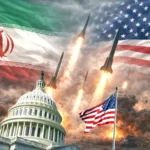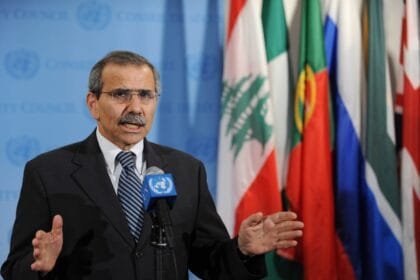
Exclusive, Voice of the Emirates – Amidst the escalating tensions in the region, Iraqi journalist Hazem Al-Obeidi affirmed that the Gulf Cooperation Council (GCC) states have demonstrated remarkable wisdom and resilience in confronting what he termed “blatant Iranian aggression.” He also commended their balanced stances, which have prevented the region from descending into a full-blown war.
Great Power Conflict
Al-Ubaidi told Voice of the Emirates in an exclusive interview that “the United Arab Emirates, both its leadership and its people, deserve praise for their steadfast stance and their support for their brothers in facing these challenges.” He also emphasized that this war “does not represent the people of the Gulf, but was imposed upon them as a result of a conflict between major powers vying for influence in the region.”
He added that the Gulf states sought from the outset to avoid this escalation, recognizing the potential economic and political repercussions. He noted that “Gulf wisdom was strongly present in managing the crisis, despite the provocations.”
Clear regional ambitions
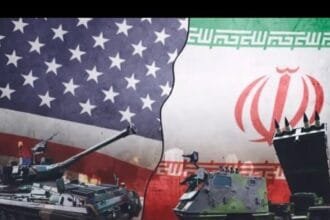
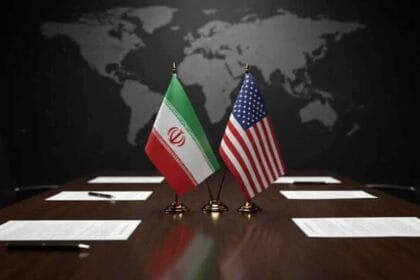
Al-Ubaidi explained that what is happening in the region is “a complex conflict between the United States and Israel on one side, and Iran on the other.” He also described it as “a struggle for influence and resources.” He further noted that “each party seeks to impose its vision and project in the region, whether through expansionist slogans or military alliances.”
He pointed out that Iran has previously sought to expand its influence in a number of Arab capitals. This, he said, reflects “clear regional ambitions.” He emphasized that what the recent war revealed is “the magnitude of the challenges facing Arab security.”
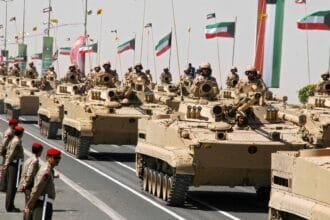
He added that “the launching of missiles and drones reflects the nature and seriousness of the escalation.” He also stressed that the Gulf states dealt with these threats with “professionalism and a high level of defensive capability.”
A wake-up call for all Arabs
Al-Obaidi praised what he described as the “strategic patience” of the Gulf Cooperation Council (GCC) states. He also emphasized that avoiding war was a crucial decision to prevent “further conflagrations in the region.”
He further stated that the events served as “a wake-up call for all Arabs.” He called for a reordering of priorities and the strengthening of Arab national security. He also urged more decisive measures to protect national interests.
In closing, he affirmed that those who doubted the Gulf states’ ability to withstand the challenges had been proven wrong. He added, “What we have witnessed in terms of cohesion and resilience, especially in the UAE, Saudi Arabia, and Kuwait, gives us hope that the future will be stronger and more stable.”