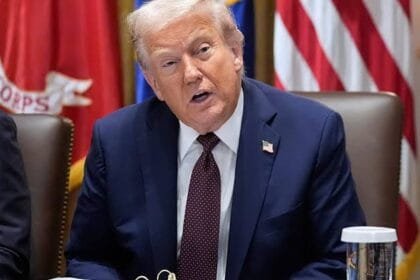
Washington, DC – The United States has decided not to send high-level officials to the Asia-Pacific Economic Cooperation (APEC) forum meeting being held in Macau this week. This decision is a direct response to what Washington calls China’s “discriminatory laws” targeting American diplomats. These laws pertain to visa procedures and restrictions on consular services.
Reasons for the American boycott
The crisis centers on Beijing’s refusal of an urgent US request to address restrictions hindering the ability of consular staff to provide emergency services to American citizens in Macau. In a statement released Wednesday, the US State Department explained that the United States sought a “positive path forward” through diplomatic dialogue. However, China chose to reject these proposals, clinging to practices that Washington considers “discriminatory.”
Chinese authorities require US diplomats to obtain a separate visa to enter Macau, a procedure Washington considers an unwarranted bureaucratic hurdle, especially given the absence of a permanent US consular presence in the renowned casino hub. Currently, the US Consulate General in Hong Kong handles consular services for the adjacent territory.
Tensions that go beyond “tourism”
Although the meeting was ostensibly to discuss tourism, this diplomatic row has brought to the forefront underlying tensions between the two superpowers. This escalation comes at a time when both sides are seeking to stabilize relations following the recent meeting between President Donald Trump and his Chinese counterpart, Xi Jinping, last month. The US State Department reiterated its desire to “build a constructive relationship based on strategic stability.” This incident represents a new test of the resilience of US-China relations, especially with China set to host the major APEC summit in Shenzhen later this year, a summit that President Trump is expected to attend in person.
The Asia-Pacific Economic Cooperation (APEC) is an economic bloc comprising 21 Pacific Rim economies, aiming to promote economic growth and regional cooperation.
However, structural differences between Washington and Beijing, ranging from trade and Taiwan to diplomatic protocols, remain a major obstacle to achieving this desired integration. These differences also pose ongoing challenges to joint coordination in international forums.