Tehran, Iran – Global markets are focused on the Strait of Hormuz as political and security tensions escalate in the region, amid growing concerns about the impact of any potential disruption to shipping on global energy supplies and oil prices. Investors and oil companies are closely monitoring developments in the coming days.
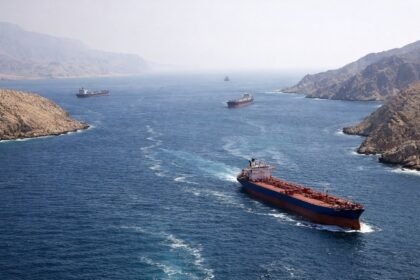
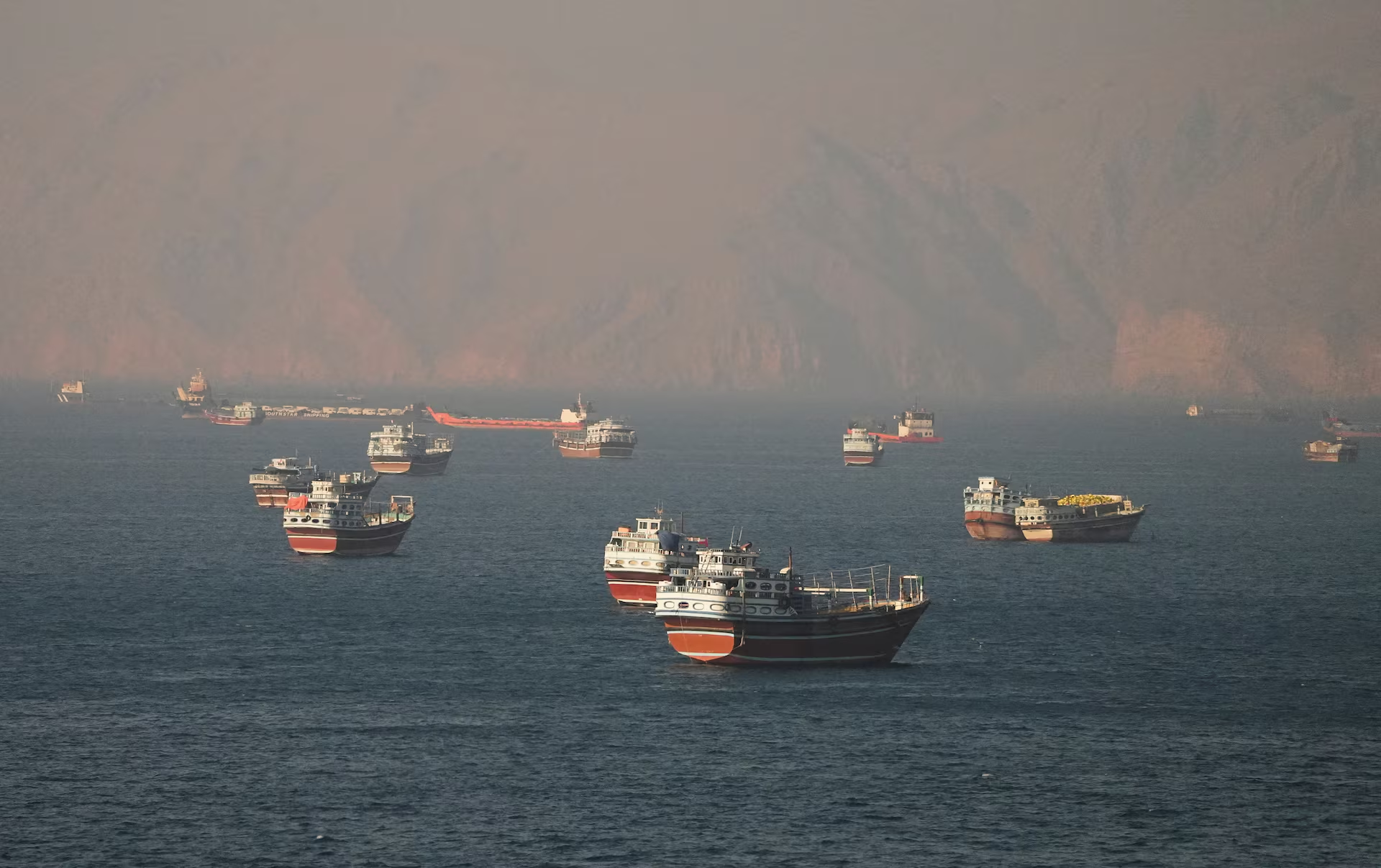
The Strait of Hormuz is one of the world’s most strategic waterways. Massive quantities of oil and gas exports from the Gulf states pass through it to international markets. Therefore, any threat to shipping or tanker traffic in this vital waterway has a rapid impact on global energy markets. Energy markets are directly affected by supply volumes and supply risks.
Oil markets have recently been characterized by anticipation and caution amid growing talk of a potential escalation of the crisis between Iran and the United States. This has prompted traders to reassess the risks associated with oil supplies from the Gulf region, contributing to upward pressure on prices.
Energy sector experts believe that even if oil flows continue normally, the mere escalation of tensions in the Strait of Hormuz is enough to trigger investor anxiety. Geopolitical risks typically lead to higher shipping and marine insurance costs, which ultimately impact crude oil and refined product prices.
Analysts have warned that any actual disruption to shipping in the Strait of Hormuz could lead to widespread turmoil in energy markets. This warning stems from the exceptional importance of this waterway to global trade, particularly given the reliance of many major economies on oil imports from the Gulf region.
Meanwhile, markets continue to pin their hopes on diplomatic efforts to contain tensions and prevent them from escalating into a wider confrontation. However, the prevailing uncertainty keeps oil prices vulnerable to political and military developments. Therefore, any action in the Strait of Hormuz will be a crucial factor in determining market direction in the coming period.