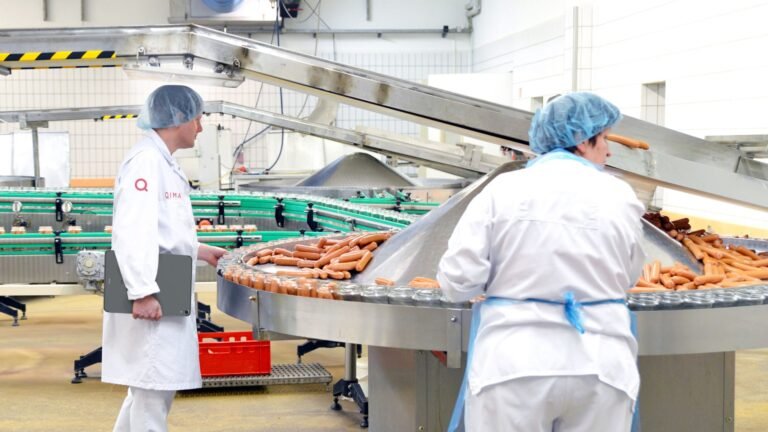
Seoul, South Korea – South Korea’s food industry is experiencing an unprecedented technological boom, with recent official data revealing that more than 5,000 patents have been registered annually in the sector over the past three years.
This innovative momentum reflects the rapid spread of the “K-food” phenomenon both domestically and internationally. This expansion is further supported by strong legal and intellectual property protections.
A decade of food innovation
According to a report released by the Ministry of Intellectual Property on Sunday, the total number of patent applications filed in the food sector reached approximately 46,436 over the past decade (from 2016 to last year).
The statistics show that innovation rates have recently remained at high levels, with 5,258 applications filed in 2023 and 5,166 in 2024. Additionally, 5,056 applications were filed last year.
Functional foods: Leading the way in health and immunity
Functional health foods have taken center stage in the innovation landscape, capturing 17.5% of total orders, or 8,126 orders, over the past ten years. The focus is no longer solely on providing traditional nutrients like protein and vitamins. It has expanded to include advanced vital functions such as antioxidants and immune system enhancement, which ranked first with 2,113 orders.
Digestive health came in second with 729 cases, while improved cognitive function and sleep quality accounted for 467 cases, according to Yonhap News Agency. This trend reflects a growing global health awareness and a desire to consume foods that help control blood sugar levels and improve blood circulation.
Korean Spice and Sauce Revolution
The report also noted significant growth in the traditional bakery and sauce sectors. Patent applications for bread rose from 237 in 2016 to 400 last year. This increase was driven by a focus on “health and taste” technologies such as gluten-free and low-calorie bread.
In the sauces sector, orders jumped from 311 to 475, further enhancing the global appeal of Korean cuisine. These innovations rely on developing traditional fermentation pastes like gochujang and doengang to suit international consumer tastes. This development provides a solid technological foundation for competing in overseas markets.
Government support for intellectual property
For his part, Yang Jae-seok, Director-General of the Patent Examination Planning Office, emphasized that the continuous development of Korean cuisine necessitates international legal protection. He added, “We will actively support the transformation of our citizens’ and companies’ ideas into stable intellectual property rights, ensuring their leadership in the global market and protecting their innovations from imitation.” With this approach, Korean cuisine is evolving from mere “delicious meals” into “technological products” protected by patents, thus bolstering South Korea’s economic and soft power.