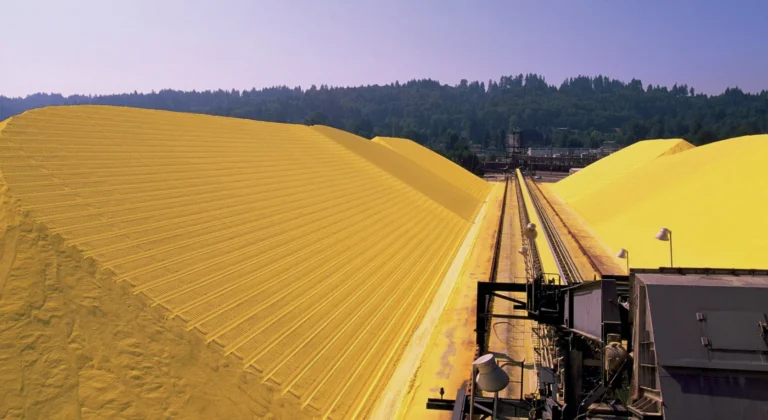
Voice of the Emirates – The global economy is facing an unprecedented supply crisis in sulfur and sulfuric acid, which are vital to industries ranging from bread to semiconductors.
As May 2026 approaches, disruptions to supply chains are accelerating. This follows China’s announcement that it will halt sulfuric acid exports starting next month. This move aims to protect its domestic needs.
The alliance of shortages: China, India, and Turkey
China’s decision removes one of the last remaining safety valves in the market. Beijing had been supplying approximately 4.6 million tons annually.
The crisis is not limited to China. India is currently considering imposing similar restrictions on sulfur exports. This comes after pressure from local industry groups concerned about soaring prices.
Turkey has also joined the list of countries imposing export bans. The ban is expected to last for six months, further intensifying the pressure on Arab markets, which are heavily reliant on these supplies.
The Strait of Hormuz: The beating heart of the crisis
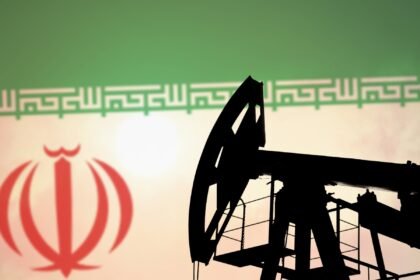
The primary cause of this global paralysis is the ongoing conflict in West Asia and the US-Israeli war against Iran. These circumstances have led to the near-complete closure of the Strait of Hormuz.
The Middle East accounts for approximately one-third of global sulfur production and half of global maritime trade.
Due to disruptions in shipments from the Gulf, global prices have tripled in the past year. This has transformed a supply shortage from a temporary crisis into a structural supply shock.
Disastrous repercussions for vital industries
Sulfuric acid is a key input in the production of over 260 million metric tons of industrial materials annually. The risks of its shortage are multifaceted:
Food security: 60% of the world’s sulfur production is used in the manufacture of phosphate fertilizers. Price increases of between 40% and 70% have directly threatened agricultural crops in Brazil, India, and Africa, foreshadowing a global wave of food price hikes.
Mining and renewable energy: Countries like Chile, Congo, and Indonesia rely on this acid to extract copper and nickel, two essential metals for manufacturing batteries and electric vehicles. This situation could therefore disrupt the global green transition.
Advanced technology: Acid is used in the manufacture of semiconductors and electronic chips. This puts major technology companies at risk of production line shutdowns.
Grim predictions for 2026
Analysts at the specialized energy platform “Energy” and experts at Standard & Poor’s believe that price pressures will persist until the end of 2026. This situation will remain as long as geopolitical tensions persist.
With some price increases in certain regions reaching record levels of 500%, the options available to importing countries appear extremely limited. This is occurring amidst a lack of immediate alternatives capable of filling the gap left by the withdrawal of major suppliers and the disruption of shipping in the world’s most important energy and chemical trade routes.