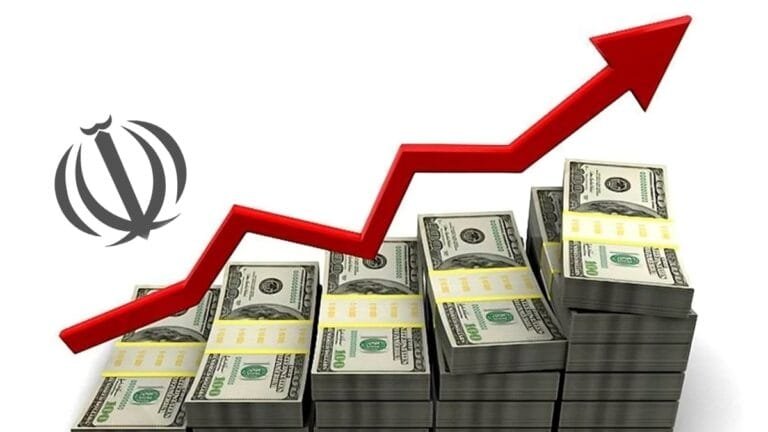
Tehran, Iran – As the upward trend sweeping currency and gold markets continues, the US dollar and gold coins reached new record highs today. This comes amid an exchange of accusations between media outlets affiliated with the Revolutionary Guard and the government regarding the economic crisis.
The dollar jumps and the gold coin exceeds 132 million tomans
Iranian markets witnessed sharp price increases on Monday, December 7:
US Dollar Price: The dollar reached 125,000 tomans, recording an increase of about 2.5% compared to the first day of the week.
The design of the new “Emami” gold coin has surpassed the 132 million toman mark. It was traded at 132,300,000 tomans, an increase of over 2.5% since the beginning of the week.
European currencies: The British pound rose by approximately 3% in two days, surpassing 166,700 tomans. The euro also rose by 2.5%, exceeding 145,500 tomans.
Traders and observers echoed the phrase “Inflation, inflation, a plague on people’s lives!” amid public concern about the erosion of purchasing power.
Revolutionary Guard media outlets attack the Bezekian government
Uncharacteristically ignoring free market prices, news agencies close to the Revolutionary Guard, such as Fars and Tasnim, pointed the finger at the government of Masoud Pezekian. This came as the dollar reached an unprecedented level.
Fars News Agency criticized the government’s decision to allow the import of essential goods without foreign currency transfer, stating that this decision “has led to market instability.”
It explained that importers are forced to resort to the open market to obtain foreign currency. As a result, this puts pressure on demand and drives up the currency’s value.
Tasnim News Agency: In an article titled “The Effects of a Strategic Mistake in the Hourly Dollar’s Surge,” the agency stated that “the school of thought advocating for a free-floating exchange rate sent the wrong signal to the market by pushing for the implementation of a flawed decision.” It added that this drove inflation expectations to their peak. The agency accused the Ministry of Economy and the Planning and Budget Organization of “transmitting the message of accepting higher prices and the necessity of price reforms” to the market.
The two agencies ignored the structural problems of the economy and blamed the decision to import without converting foreign currencies as the main cause of the dollar’s insane rise.