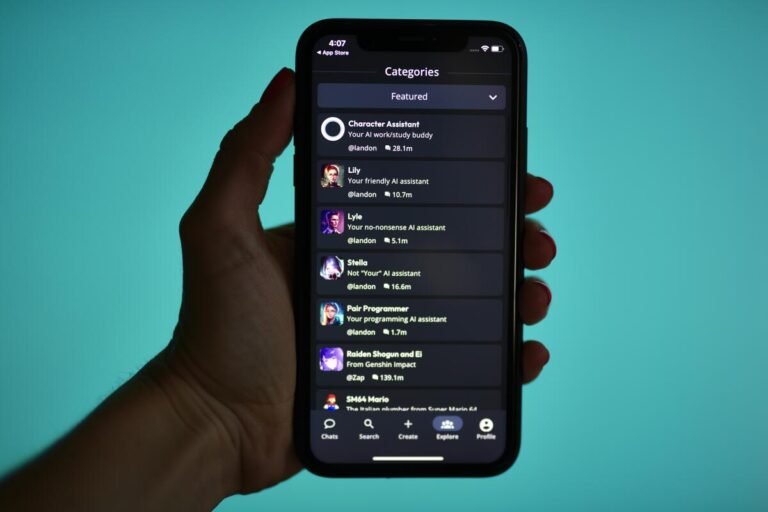
A recent study has revealed a significant shift in the behavior of the younger generation, as teens increasingly rely on artificial intelligence tools for emotional and psychological support. This noticeable trend occurs against the backdrop of changing traditional social interaction patterns and rising rates of digital isolation among youth.
Why Teens Are Turning to Artificial Intelligence
The results indicate that a growing percentage of teenagers are using AI applications as a safe space to vent their feelings and discuss daily problems. The immense attractiveness of these tools lies in their ability to provide immediate, fast responses without any wait time. More importantly, they offer a completely non-judgmental environment; teens feel completely comfortable expressing themselves without the fear of criticism, an element they may occasionally miss in direct human interactions.
Technology as an Emotional Substitute in Youth Lives
Researchers note that this remarkable shift reflects a deep and fundamental change in the nature of social relationships. Technology has moved well beyond its traditional role associated with entertainment and education to become a source that provides what is known as “digital emotional support.” This highly sensitive role was historically viewed as the exclusive domain of close friends or mental health professionals.
Serious Warnings Against Excessive Reliance
Despite the tremendous technical advancements of these tools, the study strongly warned against the risks of over-reliance on them for psychological aspects. The findings emphasize that AI, no matter how accurate, can never replace true human warmth or solutions based on the clinical expertise of psychiatrists and counselors. Experts also cautioned that excessive and unregulated use might create a state of emotional attachment and an unbalanced bond with digital systems, which could ultimately exacerbate long-term social or psychological disturbances.
A Call to Strengthen Human Communication Skills
Specialists believe that this phenomenon is, at its core, merely a reflection of a growing gap in traditional social relationships. Therefore, the study recommends activating the role of families and educational institutions in enhancing direct and effective human communication skills among youth. Experts also stress the importance of establishing regulatory and awareness frameworks to ensure the safe and responsible use of these technologies, guiding teenagers toward achieving a healthy balance between technology reliance and their emotional lives in the real world.