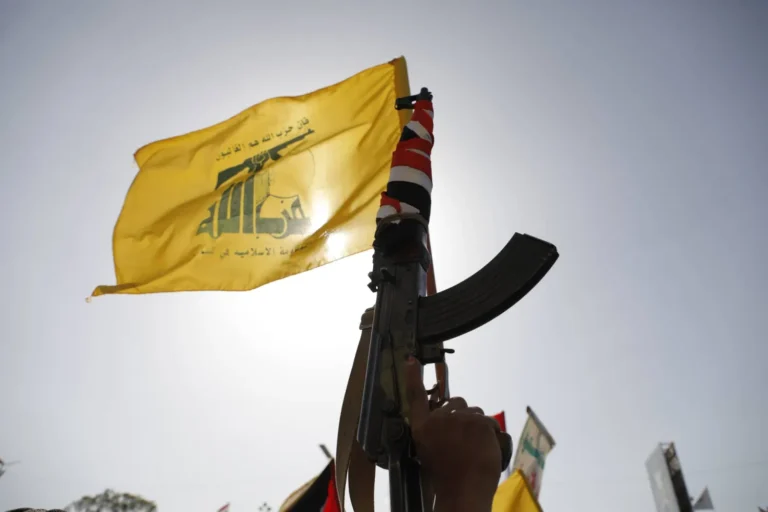
Beirut, Lebanon – Relations between Lebanon and Iran are at a delicate juncture, with escalating tensions over the issue of Hezbollah’s weapons and its role. The Lebanese state is striving to assert that decisions concerning security, defense, war, and peace must be exclusively within the purview of state institutions. The issue of Hezbollah’s weapons is among the most sensitive on the Lebanese political scene, particularly given the insistence of some political factions that all weapons must be placed under state control. Meanwhile, Hezbollah continues to emphasize its role in confronting Israeli threats.
Beirut views its relations with Tehran as relations between two states. However, it simultaneously emphasizes the need to respect Lebanon’s sovereignty and refrain from interfering in its internal affairs. This comes amidst attempts to restructure the security and political landscape within the country. The situation is further complicated by the ongoing tensions on the southern border, where the Lebanese government fears that continued military operations could drag the country back into a wider conflict. This occurs at a time when the government is striving to consolidate stability and strengthen the authority of official institutions.
In contrast, Hezbollah is one of Iran’s most important allies in the region. Therefore, any discussion about the future of its weapons is directly linked to regional power balances, not just internal political disputes in Lebanon. The Lebanese government is attempting to handle the issue cautiously, caught between internal pressures demanding the strengthening of state sovereignty and regional and international pressures pushing for the monopoly of arms by official institutions. There are concerns that any sudden move could lead to renewed internal tensions.
The issue of weapons presents Lebanon with a true test of the state’s ability to reclaim its sovereign decision-making. At the same time, the state is attempting to maintain its regional relations and prevent the dispute with Iran or Hezbollah from escalating into an open-ended political and security crisis. The future of weapons outside state institutions remains one of the most prominent issues that will shape the next phase in Lebanon. It will also determine Beirut’s ability to establish a framework where decisions regarding war and peace, as well as foreign policy, emanate solely from state institutions.