Washington, DC – In a flurry of diplomatic activity reflecting the convergence of international crises, media reports have revealed an upcoming trip by Iranian Foreign Minister Abbas Araqchi. This move aims to disrupt regional negotiations.
Axios, citing a source familiar with the matter, reported that Araqchi is preparing to travel to Switzerland on Saturday, June 20. This trip appears pivotal to the future of understandings between Washington and Tehran. However, the same source indicated that the itinerary could be subject to last-minute changes depending on developments on the ground.
Linking the negotiation process to the “Lebanon Front”
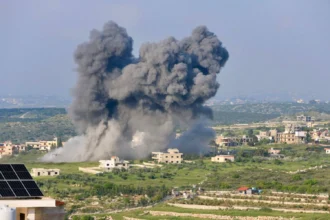
These moves come amid clear Iranian pressure, with a source from one of the mediating countries reporting that Araqchi told his counterparts on Friday, June 19, that reaching a ceasefire in Lebanon is a “vital issue” for Tehran. It also constitutes a “crucial” factor in the ongoing negotiations with the US administration.
According to another source from the mediating countries, the Iranian position has hardened. The Iranians have emphasized their desire to see a genuine cessation of hostilities in Lebanon as a precondition or essential pillar before engaging in any broader understandings in Switzerland.
Trump hints at two options: compromise or pressure
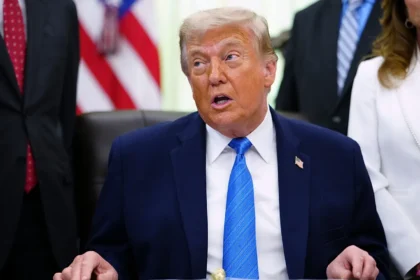
On the other side, US President Donald Trump appeared cautiously optimistic during his meeting with Air Force personnel, referring to what he called a “memorandum of understanding” with Tehran. In a direct message that carried both warning and enticement, Trump said, “If a final agreement is not reached, things will happen that they won’t like, but I don’t think it will come to that. I think everything will work out fine.”
Trump didn’t just wave the diplomatic flag; he also pointed to economic and security leverage. He warned of the consequences of escalation on global shipping, saying, “Remember, if we take this step, oil won’t suddenly flow through the strait that quickly; because the owners of ships worth billions of dollars don’t like missiles flying in the sky, and they don’t like mines planted in the water.”
Trump’s vision for ending world wars
In another pressing matter, Trump addressed the Russian-Ukrainian conflict, reaffirming his approach to ending armed conflicts. He stated, “I’ve ended eight wars, and I’m proud of that.”
He acknowledged the difficulty of the Ukrainian crisis, adding, “I thought this would be the easiest of them all, but it’s become a little more difficult than I imagined. Nevertheless, we will resolve it.”
These statements and diplomatic changes place the region at a crossroads. While Tehran is trying to trade regional calm for opening channels of dialogue with Washington, the White House is holding the reins of economic pressure. He is waiting for what will happen in the coming hours in Switzerland, and whether the calm in Lebanon will actually be achieved as a token of broader understandings that will end the state of tension that is casting its shadow on global waterways.