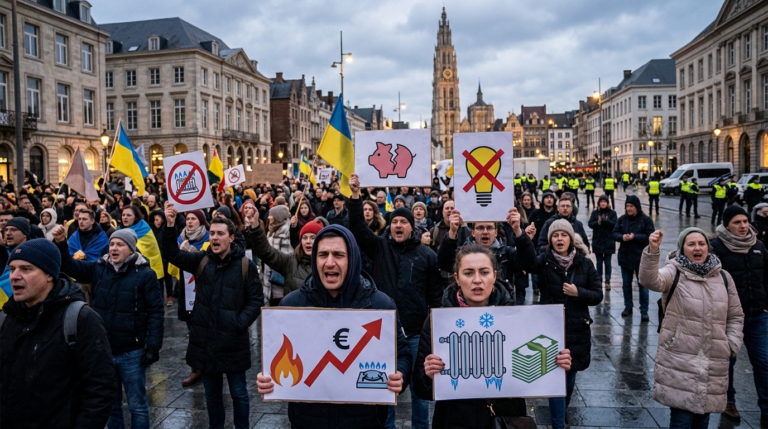
Brussels, Belgium – The continued rise in household gas and energy bills has sparked controversy in several European countries. This comes amid growing complaints from families and consumers about the escalating financial burdens that are straining the budgets of millions. At the same time, the continent is still grappling with the repercussions of global energy crises and market volatility.
Recent months have seen extensive discussions between governments, energy companies, and consumer protection associations about the reasons behind the rising bills. Experts attribute part of the problem to fluctuating gas prices on international markets and increased transportation and distribution costs. They also point to policies related to the transition to clean energy and the reduction of carbon emissions.
Consumer organizations say many European families are struggling to afford heating and energy costs, especially with continued inflationary pressures and rising prices for basic goods and services. They also warned that if this situation persists, it could lead to a widening of the energy poverty phenomenon. This phenomenon means that some families are unable to meet their basic heating and electricity needs.
In contrast, European governments assert that they have taken a range of measures to mitigate the effects of the crisis. These include direct support programs for low-income families, the imposition of temporary price caps on certain goods, and the promotion of energy conservation initiatives and improvements to the efficiency of residential buildings.
Analysts believe the ongoing debate surrounding gas bills reflects a larger challenge facing Europe: balancing energy security with maintaining prices at levels acceptable to consumers. This comes as Europe implements plans for environmental transition and reduces its reliance on fossil fuels.
The crisis has also reignited the debate about the future of European energy policies and the extent to which governments can protect citizens from the volatility of global markets. This debate is particularly relevant given the ongoing geopolitical tensions that impact energy supplies and prices.
Economic experts confirm that energy will remain a top priority for European governments in the coming period. This is driven by growing public demands for long-term solutions that ensure price stability and protect households from sudden increases in the cost of living.