Tehran, Iran – In a prominent article published in Foreign Affairs, former Iranian Foreign Minister Mohammad Javad Zarif outlines a strategic vision urging Iran to “declare victory” and pursue a comprehensive agreement to end the conflict with the United States and Israel.
Zarif’s call comes after a sharp military escalation that has lasted for more than a month. This escalation has resulted in widespread destruction and significant casualties. However, it has not achieved its stated objective of toppling the Iranian regime.
Zarif argues that the current moment presents a rare opportunity to translate battlefield superiority into lasting political gains. Alternatively, Iran risks being drawn into a protracted war of attrition.
Iran’s resilience and the shifting balance of power
Zarif asserts that Iran, despite enduring intense attacks from the United States and Israel, has successfully maintained its internal cohesion and the continuity of its institutions. The airstrikes did not lead to the collapse of the leadership; rather, they strengthened national mobilization. Tehran has also demonstrated a capacity for repeated military retaliation, targeting strategic sites, thus placing its adversaries in a precarious position. This resilience, he argues, has altered the balance of power. Washington and Tel Aviv are no longer able to easily dictate terms and are now seeking a face-saving way out.
Calls to continue fighting are escalating
Within Iran, a popular movement has emerged advocating continued confrontation and a refusal to negotiate. The slogans chanted by protesters reflect a deep-seated anger toward the United States, stemming from a long history of mistrust.
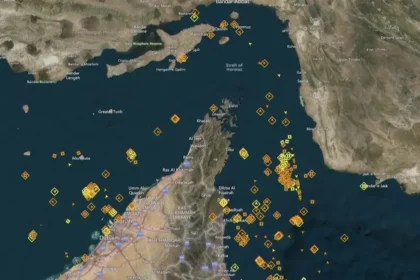
Supporters of this trend believe the time is ripe to intensify pressure, whether by targeting American bases or disrupting navigation in the Strait of Hormuz. The aim is to force Washington to fundamentally alter its policies, but Zarif warns that this course, despite its psychological appeal, could lead to disastrous long-term consequences.
Risks of escalation and depletion of resources
The article suggests that the continuation of the war will lead to further loss of life and destruction of infrastructure, especially as the warring parties resort to targeting vital sectors and civilians. Furthermore, the expansion of the conflict could draw in other international actors, threatening to transform it into a global conflict. In addition, the article argues that international organizations have not played an effective role in de-escalating the situation. This further exacerbates the dangers of continued fighting without a clear political solution.
An opportunity to turn superiority into political gain
Instead of continuing the war, Zarif proposes leveraging the current advantage to reach a comprehensive agreement. This agreement would involve Iran’s willingness to impose restrictions on its nuclear program in exchange for the lifting of sanctions and greater economic access.
It would also include the possibility of signing a non-aggression pact with the United States, guaranteeing that future confrontations would not be repeated. Zarif believes such a move could yield strategic gains, including improving the domestic economic situation and redirecting resources toward development rather than defense.
The historic crisis of confidence with Washington
Zarif outlines the roots of the mistrust between Iran and the United States, beginning with the period following the September 11 attacks, continuing through Iran’s inclusion in the “axis of evil,” and culminating in Washington’s withdrawal from the nuclear agreement in 2015 during the Trump administration. These experiences, coupled with the continuation of sanctions under Joe Biden, have reinforced the Iranian conviction that Washington does not honor its commitments. This makes any new negotiations fraught with skepticism.
Options for ending the war: a truce or a comprehensive peace?
Zarif proposes two possible paths: the first is a swift ceasefire, an easy-to-implement but fragile and potentially unstable option. The second is a comprehensive peace agreement that addresses the root causes of the conflict, a more complex path that would guarantee long-term stability. Zarif asserts that the current moment, despite its harshness, may be opportune for achieving this goal, given the shifting regional and international dynamics. According to the article, the war has demonstrated the limitations of American military power in destroying Iranian capabilities, particularly its nuclear and missile programs. It has also revealed that regional reliance on American protection has been insufficient to prevent escalation and has even transformed some countries into battlegrounds. Conversely, Iran recognizes that its nuclear program has not deterred attacks; in fact, it may have contributed to justifying them, necessitating a reassessment of its defense strategy.
Features of a possible peace agreement
Zarif proposes a framework for a comprehensive agreement encompassing several elements: reducing uranium enrichment, lifting sanctions, international oversight of the nuclear program, and guaranteeing freedom of navigation in the Strait of Hormuz. It also includes establishing regional security arrangements with the participation of the Gulf states. Furthermore, he proposes enhancing economic and technological cooperation between Iran and the United States. This agreement, if realized, could reintegrate Iran into the global economy and alleviate regional tensions. The article concludes that continuing the war will not bring Iran any further gains; rather, it will only lead to its depletion. In contrast, choosing diplomacy could transform what has been achieved on the ground into a lasting historical accomplishment. Despite the difficulty of building trust between the two sides, the opportunity remains to forge an agreement that ends decades of hostility. As Zarif points out, history does not only immortalize those who win wars, but also those who succeed in making peace.