Geneva, London – A recent report by the United Nations Conference on Trade and Development (UNCTAD) has raised concerns in global markets and developing economies, after revealing potentially serious repercussions if disruptions to maritime traffic through the Strait of Hormuz, one of the world’s most vital sea lanes, continue.
The importance of the Strait of Hormuz
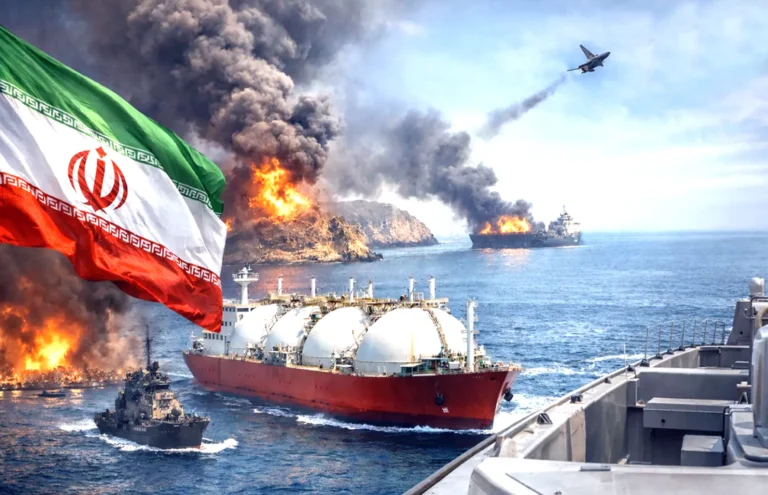
According to an analysis by UNCTAD, a near-complete halt to shipping traffic in the Strait of Hormuz—resulting from escalating regional tensions in the Gulf—could trigger a widespread shock to energy, commodity, and international trade markets, with repercussions extending to food and basic goods, particularly in economically vulnerable countries.
The Strait of Hormuz is a vital artery for global trade, through which approximately a quarter of seaborne oil and key exports of liquefied natural gas and fertilizers pass. It serves as a strategic link between the Gulf, the Arabian Sea, and the Indian Ocean. A disruption to traffic in the strait would effectively paralyze the flow of global energy and trade, according to the UNCTAD analysis.
Analysis results: A shockwave for the markets
Rising Energy and Commodity Prices: Markets have witnessed a surge in oil prices, increasing fuel and gas costs and contributing to global inflationary pressures.
Increased Shipping and Insurance Costs: Rising maritime shipping rates and increased war risk insurance premiums will drive up the cost of commercial transport, impacting consumer prices.
Threat to Food and Fertilizer Supplies: Approximately one-third of fertilizer trade passes through these corridors, threatening food security in some developing countries that rely on access to these commodities.
Impact on Fragile Economies: Countries with limited resources and high debt levels will be most affected by rising energy and commodity costs, facing increased pressure on their budgets and food security.
There are major risks if the unrest continues
Experts have warned that if the current situation in the Strait of Hormuz continues for weeks or months, it could have broader economic repercussions, including slower global growth, higher inflation, and increased pressure on households and businesses worldwide, particularly in economies reliant on energy imports.
In conclusion, UNCTAD’s warnings come at a time of escalating military and political tensions in the Gulf region, making the stability of navigation in the Strait of Hormuz a crucial indicator not only for regional security but also for the global economy as a whole.