Islamabad, Pakistan – Tensions have escalated between Islamabad and Kabul following heightened security measures and reciprocal arrests, reflecting the fragile situation along the shared border between Pakistan and Afghanistan.
Pakistani authorities announced a large-scale security operation targeting what they described as “suspected elements” in border areas, asserting that the measures are part of proactive plans to protect national security and prevent the infiltration of militants across the border. Kabul, in turn, criticized the Pakistani actions, arguing that they affect civilians and further complicate bilateral relations.
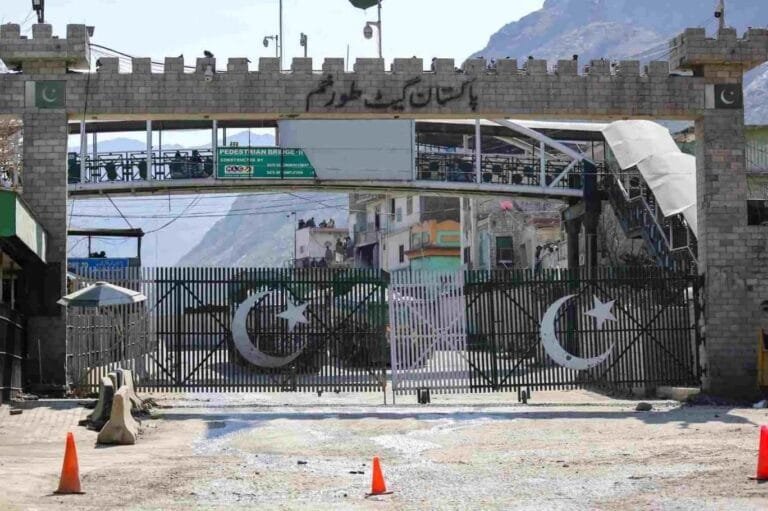
This coincided with additional military reinforcements on both sides of the border, amid reports of the closure of some crossings and stricter inspection procedures. These measures have negatively impacted trade and the movement of people, particularly in the tribal areas, which rely heavily on daily commuting.
Observers believe the roots of the crisis lie in unresolved security issues, primarily the activity of armed groups operating across the rugged border strip, in addition to political disputes that resurface whenever security operations escalate.
Despite the harsh rhetoric, diplomatic sources indicate the existence of undisclosed channels of communication aimed at preventing the situation from spiraling into open confrontation, especially given that both countries are aware of the sensitivity of the regional climate and the intertwining of their security and economic interests. The situation, therefore, remains suspended between the option of limited escalation and the option of political containment, in a region that has historically served as an early indicator of broader instability in South Asia.