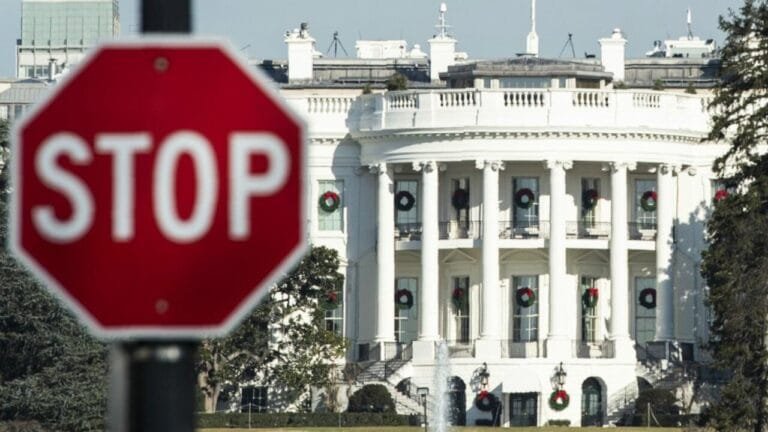
Washington, DC – The partial US government shutdown entered its second day on Sunday with no sign of a compromise between the White House and lawmakers in Congress. The core dispute centers on oversight mechanisms for federal immigration officers. As a result, funding for the Department of Homeland Security (DHS) has stalled.
The roots of the crisis: Democratic demands and Republican insistence
The shutdown officially began on Saturday after negotiations failed to secure funding for the department through September. Democrats are leading the push for sweeping changes to immigration protocols, fueled by outrage following the fatal shootings of U.S. citizens Alex Peretti and Renee Goode by federal officers in Minneapolis last month. Key Democratic demands include requiring officers to clearly identify themselves and remove masks during operations. They also include the use of body cameras and the requirement for warrants for arrests on private property. Senate Minority Leader Chuck Schumer stated, “Americans are asking: Why are Republicans rejecting common-sense proposals that are standard practice in every other police department in America? These aren’t radical ideas.”
White House: “Protecting officers is a red line”
In contrast, the Trump administration has been uncompromising on these demands. Tom Homan, the White House border official, confirmed that the administration would not agree to officers revealing their identities or removing their masks. Homan argued that these measures are necessary to protect personnel while performing their duties. Republican Senator Marquin Mullen supported the idea of cameras and training, but strongly opposed revealing faces. Mullen warned of the risks of “cyber defamation” and intimidation of officers’ families, stating, “We want Immigration and Customs Enforcement to do its job.”
The repercussions of the lockdown and alternative financing
Despite funding shortfalls, Immigration and Customs Enforcement (ICE) and Customs and Border Protection (CBP) continue to operate without interruption. This is due to the Trump tax law (2025), which provided billions of dollars in additional funding that can be used for deportations. Approximately 90% of Department of Homeland Security employees are continuing to work, but are currently not receiving pay, which threatens to place financial strain on families.
Numbers and policies
This crisis comes at a time when President Trump has made immigration a cornerstone of his election campaign.
Data from the Department of Homeland Security indicates that since Trump’s return to office, 675,000 undocumented immigrants have been forcibly removed. In addition, 2.2 million people have “self-deported” as a result of the hardline policies. With Congress still in recess until February 23, the political landscape remains in limbo. These developments come amid warnings of a repeat of last year’s record-breaking 43-day government shutdown.