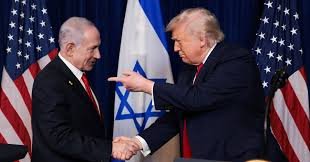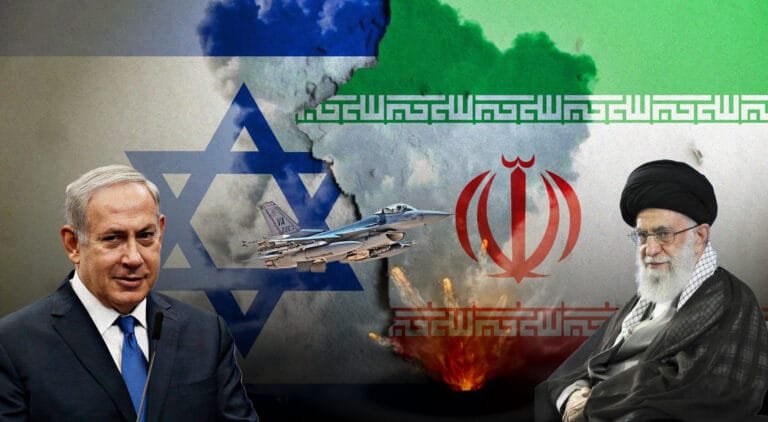
Washington, DC – Tensions are escalating in the Middle East following media reports that US President Donald Trump has given Israeli Prime Minister Benjamin Netanyahu what has been described as a “green light” for a potential military strike against Iran. This move has sparked widespread debate about the likelihood of military escalation and its regional and international repercussions.
According to political sources, discussions have focused on how to address the Iranian nuclear program and the escalating tensions in the region. Tel Aviv believes that the Iranian threats necessitate more aggressive measures. Meanwhile, some within the US are seeking to utilize political and military pressure as a deterrent.
Reports indicate that talk of a “green light” may not necessarily signify a final decision to take military action. However, it could be part of a negotiating strategy aimed at increasing pressure on Tehran and pushing it toward concessions on sensitive regional and nuclear issues.
Analysts believe that any potential military move could broaden the scope of the confrontation in the region, especially given the direct or indirect involvement of regional and international actors in the conflict. Consequently, the likelihood of widespread economic and security repercussions increases.
Meanwhile, Western capitals are cautiously monitoring developments, amid calls to avoid escalation and work toward diplomatic solutions that reduce the risk of an open confrontation. Such a confrontation could affect the stability of the region and global energy markets.
Observers confirm that the next phase will witness intensive diplomatic efforts. This comes amidst a delicate balance between military rhetoric and attempts to keep channels of negotiation open to avoid unforeseen escalation scenarios.