Tehran, Iran – As tensions escalate between Washington and Tehran, the specter of direct confrontation looms once again over the region. This comes amid growing questions about the nature of Iran’s response should US President Donald Trump launch a military strike against Iran.
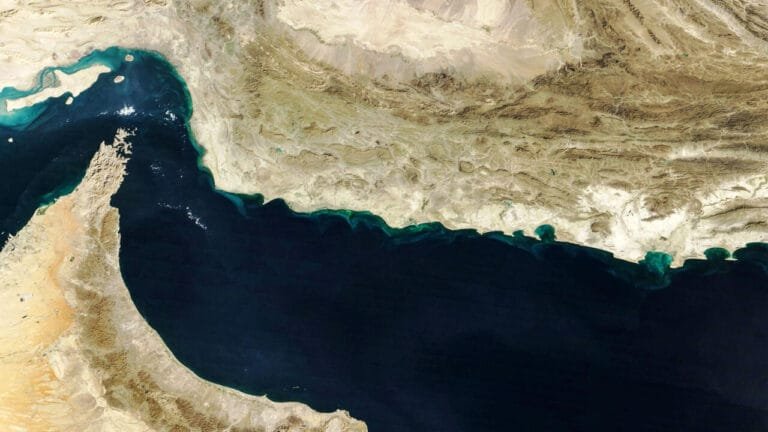
Military experts believe that Tehran possesses several leverage points that it could employ gradually. Foremost among these is the threat to close the Strait of Hormuz, the vital artery for global oil flows. This option would ignite an international energy crisis and drive oil prices to record highs, thus placing the global economy under unprecedented pressure.
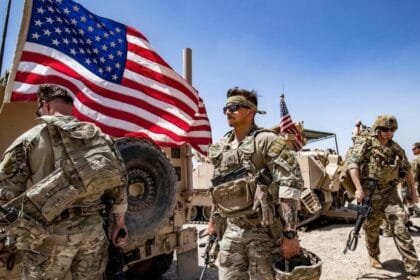
Another scenario involves targeting US bases and forces deployed in the Gulf, Iraq, and Syria. This could be done through direct strikes or via regional allies. The aim is to attempt to establish a new deterrent equation without sliding into a full-blown war that could exhaust all parties.
Iran might also intensify cyberattacks and escalate its unconventional pressure campaign. Furthermore, it could engage in political and diplomatic maneuvers to portray any US strike as an act of aggression warranting a legitimate response under international law.
Among these scenarios, one thing remains certain: any open confrontation will not be limited to Tehran and Washington alone. In fact, its repercussions will extend to the region and the world, at a highly sensitive moment that is testing the balance of power and deterrence calculations on more than one front.
Closing the Strait of Hormuz and striking US bases: Scenarios for an Iranian response to a potential Trump strike
Iran and the importance of US bases in the region

Medhat Elsheikh
Medhat El-Sheikh, editor-in-chief of the Voice of Emirates News Agency office in Cairo, is a seasoned Egyptian journalist with extensive experience both within Egypt and abroad....

Washington ignites the confrontation: Widespread US strikes cripple Iran’s military and naval capabilities.
America announces military strikes against Iran

Reham Abdel Ghafour: The audience’s reaction to “Narges” exceeded my expectations… a resounding success in the “Barshama” dance.
The character of Nargis has human dimensions.
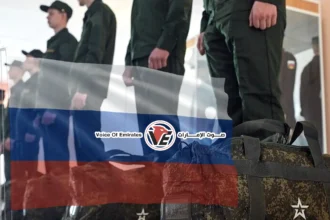
The Russian Federation Council approves a law prohibiting the deportation of foreigners who have served in the armed forces
Legal and social guarantees for foreign volunteers in Russia

Barcelona’s squad list for the Champions League match against Newcastle
Barcelona, Spain - Hansi Flick, the manager of Barcelona, has…