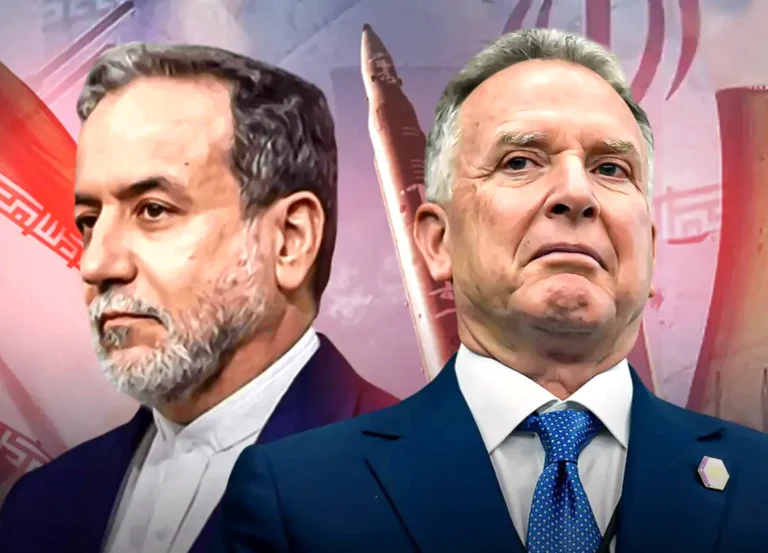
Washington, DC – Informed sources revealed that Iranian Foreign Minister Abbas Araqchi contacted Washington’s envoy, Steve Wittkopf. This move is described as an attempt to de-escalate rising tensions between Iran and the United States. It comes amid threats by US President Donald Trump to use military force in response to recent protests in Iran.
The American news website Axios quoted two informed sources. They said that the call took place over the weekend and is a significant indication that direct communication channels remain open. This is despite the stalemate in nuclear negotiations and the exchange of escalating rhetoric between the two sides recently.
Possible US move
According to sources, this Iranian move is part of an effort to buy time before any potential US action that could weaken the Iranian regime. This is especially concerning, given the internal tensions. The report indicated that Araqchi and Witkov discussed the possibility of a direct meeting in the coming days. However, it did not clarify the nature of the communication, whether by phone or through an exchange of messages.
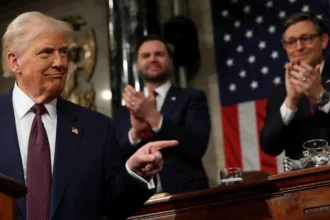
Trump had announced that Iran had contacted the United States and expressed its willingness to negotiate on its nuclear program. He confirmed that a meeting was being arranged. However, he also warned that Washington might have to act before the meeting takes place due to recent developments.
American messages
For his part, Iranian Foreign Ministry spokesman Ismail Baghaei confirmed that “the communication channel between the foreign minister and the US envoy is open.” He explained that messages are exchanged “as needed.” He also noted the continuation of indirect communication through Swiss mediation, while describing the American messages as “contradictory.”
In a related development, Trump is scheduled to meet with his national security team on Tuesday. They will discuss options for dealing with the protests in Iran. He confirmed that he is considering “very strong options,” including the possibility of military intervention, which is heightening regional and international anticipation.