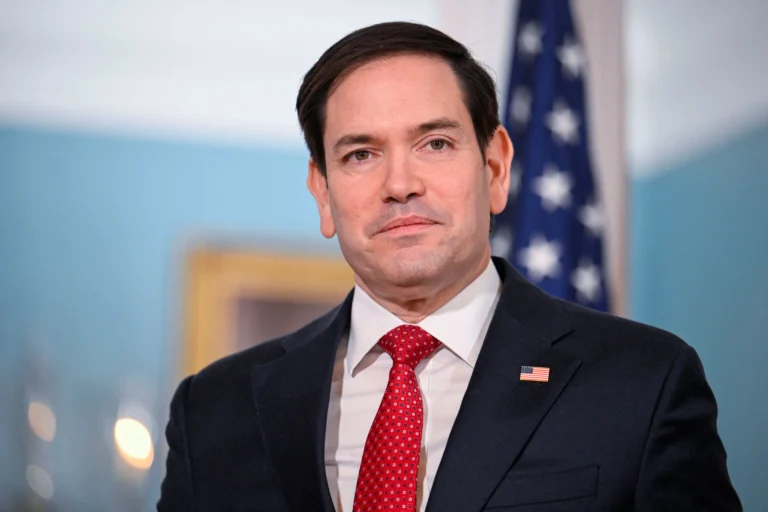
Washington, DC – US Secretary of State Marco Rubio announced that the United States has decided to withdraw from 66 international organizations.
He described the move as an effort to end what he called “the farce of wasteful and ineffective international organizations.”
He affirmed that his country will no longer fund institutions that fail to deliver results or that conflict with US national interests.
In an article published by the US State Department, Rubio stated that the United States has played a pivotal role in shaping the international order for decades, from the Monroe Doctrine and the founding of the United Nations to its role as a major security guarantor in NATO and the world’s largest donor of humanitarian aid.
However, he emphasized that true leadership requires the ability to make difficult decisions, especially when institutions established to promote peace and prosperity become obstacles to achieving those goals.
Poor financial governance
He explained that what is known as the “international system” now includes hundreds of opaque organizations with overlapping mandates.
And he added that weak management, ineffective outputs, and poor financial and ethical governance prevail.
He noted that some of them have become platforms for partisan political activity or tools working against American interests.
Rubio indicated that the decision to withdraw was based on Executive Order 14199. This was done as part of a comprehensive review conducted by the administration of President Donald Trump.
The review included international organizations that he described as redundant or poorly managed.
They also pose a threat to American sovereignty, freedoms, and prosperity.
Failures and ethical violations
The US Secretary of State criticized several UN agencies, accusing them of a long history of “failures and ethical violations.”
He asserted that continued US participation legitimizes a model he described as failing.
Rubio emphasized that withdrawal does not signify a retreat by the United States from the world.
Rather, it represents a rejection of an outdated model of multilateralism that burdens the American taxpayer with funding a bloated international system.
He stressed that Washington will continue to lead international efforts.
However, it will demand tangible results and respect for American sovereignty.
He noted that “sometimes, true leadership lies in knowing when to withdraw.”