
CARACAS, Venezuela – On January 3, 2026, the world witnessed an unprecedented development in the Venezuelan crisis, when US President Donald Trump announced that US forces had carried out a large-scale military operation inside Venezuela that resulted in the arrest of Venezuelan President Nicolas Maduro and his wife Cilia Flores, and their transfer out of the country to face criminal charges in the United States.
This event represents the culmination of a long-standing conflict between Caracas and Washington, which began years ago with political and economic tensions and extended into a conflict over Venezuela’s strategic natural resources.
First: The reality of the Venezuelan crisis before the arrests
For more than a decade, Venezuela has been embroiled in a multi-dimensional crisis, including:
severe economic collapse
Internal political divisions
Dispute between the government and the opposition over legitimacy
US sanctions put pressure on vital sectors of the economy
These factors have created a constant conflict between the Venezuelan regime and Washington, and tensions have increased over the years.
Second: The process that ended Maduro’s rule
Trump announced that the military operation resulted in the capture of Maduro and his wife at dawn on Saturday, after carrying out large-scale strikes on strategic sites in the capital, Caracas, and that they were taken out of the country to face criminal charges in the United States.
It is believed that the operation involved special forces (such as Delta Force) as part of a well-devised military plan to target the Venezuelan command center.
Third: The charges against Maduro and his wife
US authorities have announced several criminal charges against Maduro and Cilia Flores, including:
Conspired to smuggle drugs
Drug terrorism crimes
Possession of weapons and destructive devices
Conspiracy to target American interests
Washington aims, through their transfer to the United States, to try them before the American judiciary on charges related to crimes that it said extended over years.
Fourth: The struggle for natural resources
Venezuela occupies a strategic global position due to its vast resources, particularly:
The world’s largest proven oil reserves
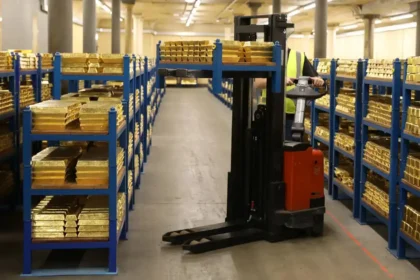
Natural gas and precious metal reserves
These resources have made the country the focus of attention for major powers, most notably the United States, which considers access to energy sources as part of its policies in the region.
Many analysts believe that Washington’s aggressive move cannot be separated from the American interest in controlling energy sources and strategic resources in Venezuela, in light of international competition for energy and technology resources.
Fifth: International repercussions and reactions
The US military operation sparked widespread international reactions:
Venezuela and its allies, such as Russia and Iran, condemned it as a violation of sovereignty.
European countries called for restraint and respect for international law.
The European Union expressed its concern about the military escalation.
Neighboring countries warned of security repercussions for the region.
There are also questions about the legal legitimacy of this process under international law, especially since it came about without a clear mandate from the United Nations or international consensus.
Sixth: What happens after Maduro’s arrest?
The operation changes the map of the crisis in Venezuela from an internal political and economic conflict to a direct military intervention, raising questions about:
Who will govern Venezuela during the transitional phase?
What impact will this have on the stability of the region?
Will oil and gas resources go to American and international companies as part of a political settlement?
These questions will remain under observation and analysis in the coming days, while Venezuela’s future remains open to multiple possibilities that could affect regional and international security.
The world today faces an unprecedented shift in international relations with the announcement of the arrest of the president of a country with major natural resources by a foreign power, raising important questions about sovereignty, international law, and major economic interests.
As the event itself indicates, the crisis in Venezuela is no longer just an internal conflict; it embodies an international competition for influence and wealth in the heart of Latin America.