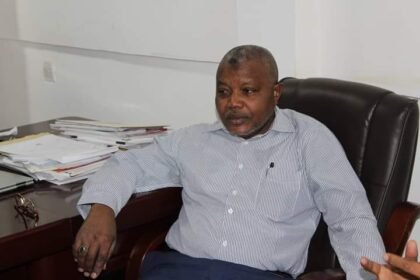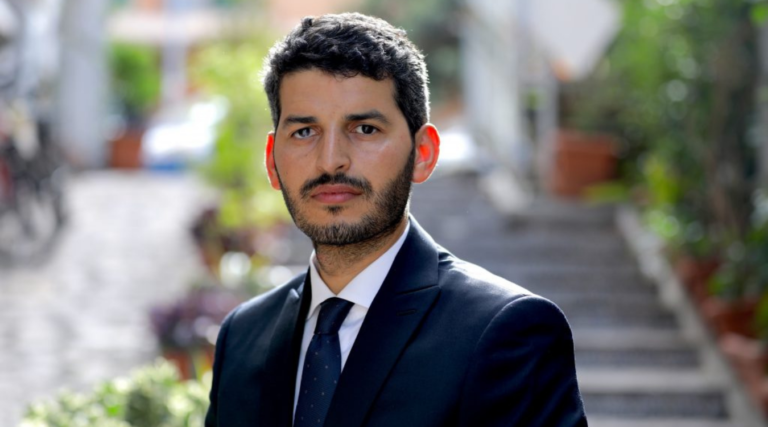
Rome, Italy – Amid fears of a growing Islamophobia in Europe due to the behavior of the Muslim Brotherhood and its branches spread across the continent, the appointment of Yassin Baradei
as the new president of the Union of Islamic Communities has sparked widespread political and media controversy.
This comes amid accusations of indirect links between the union and the Muslim Brotherhood.
Which penetrates the joints of such unions throughout Europe through activities and events linked to Islamic organizations.
Who is Yassine Baradei?
Baradei, born in 1986, previously served as Secretary General of the Union for two consecutive terms
and is a well-known figure within Islamic activism circles in Italy.
He is an Italian of Moroccan origin, who grew up in the Brianza area,
and later moved to Milan where he studied political science.
He also heads the “Islamic community in Piacenza”, according to the profile published on official websites.
The controversy stems from an event organized by the Muslim community
in Piacenza in early November, entitled “A Tour for the Orphans of Gaza”.
With explicit reference to the possibility of supporting the “Relief Organization” projects during the event.
This organization is subject to international criticism, as Western reports accuse
it of having intellectual and organizational links with the Muslim Brotherhood.
Accusations of her being linked to the Muslim Brotherhood
According to official Italian reports, the US State Department suspended its cooperation
with Islamic Relief in January 2021 on the grounds of accusations of promoting anti-Semitic rhetoric.
The German Interior Minister also announced in November 2020 the termination of all joint projects with the organization.
He pointed to “important links” between it and the Muslim Brotherhood.
In the same context, Israel classified the organization as an illegal entity in 2014.
This is based on suspicion of transferring funds to the “Hamas” movement.
The UAE also included it on its list of terrorist entities in the same year.
Changing leadership does not mean changing approach
For her part, Anna Maria Chinte, an Italian member of the European Parliament from the League party, escalated her criticism.
She considered the Union of Islamic Communities to be “the executive arm of the Muslim Brotherhood in Italy”
She emphasized that changing leadership does not mean changing the approach or the networks associated with it.
These developments come at a time when Italy is witnessing a growing debate on issues of religious extremism.
Foreign funding of Islamic associations, and the role of the state in monitoring religious activities.
This comes amid political demands for increased transparency and scrutiny of funding sources and cross-border links.