Dubai, United Arab Emirates – A set of sanctions imposed by the United Nations on Iran over its nuclear program are scheduled to take effect on Saturday evening.
Unless a last-minute diplomatic breakthrough occurs, which is unlikely.
The sanctions are expected to come into effect after the European Troika (Britain, France, Germany) implemented what is known as “Snapback”.
It is a mechanism stipulated in the 2015 nuclear agreement, accusing Tehran of not fulfilling its obligations.
What sectors will the sanctions target?
The expected sanctions will affect companies, organizations and individuals who contribute directly or indirectly to Iran’s nuclear program. They will also impact those involved in ballistic missile development.
This includes providing the necessary equipment, expertise or funding, all of which are sufficient reasons to impose sanctions.
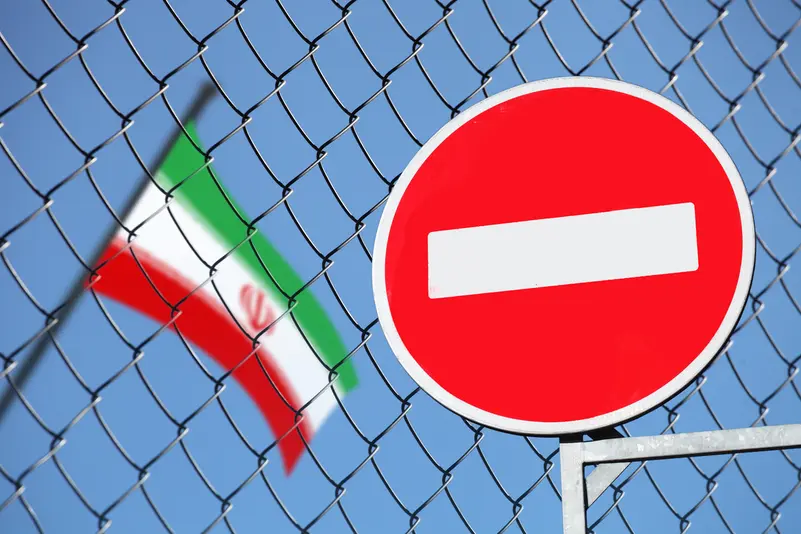
Large sectors under sanctions
The sanctions will also include a ban on conventional weapons. Additionally, they will prevent the sale or transfer of any weapons to Iran.
The import, export or transfer of parts and technologies related to the nuclear or missile program will also be prohibited.
In addition to freezing the assets of entities and individuals linked to the Iranian nuclear program abroad.
Individuals involved in prohibited nuclear activities may be prohibited from traveling to UN member states.
UN member states will also have to restrict access to banking and financial facilities. These facilities might assist Iran’s nuclear or missile programs.
Anyone who violates the sanctions regime could have their assets frozen worldwide.
Special European sanctions
In addition, separate measures may be reimposed by the European Union alongside basic global sanctions.
Note that the process of “automatic return” of UN sanctions requires that member states update their laws for practical implementation. Therefore, the European Union and Britain will have to issue legislation to implement the sanctions. However, no details have been provided about this process yet.

Iran: We will not submit to pressure
It is worth noting that Iran had confirmed, on Friday evening, that it would not submit to pressure. Additionally, a number of its officials had previously downplayed the significant impact of the sanctions on the country’s economy.
While Russia and China criticized this decision, which opened questions about the possibility that they would not adhere to it.
“There is a cost to bypassing sanctions, a political cost, but also a financial and economic cost, because financial transactions become more expensive,” said Kleiman Therm, a research associate at the International Institute for Iranian Studies, affiliated with the Sorbonne University.
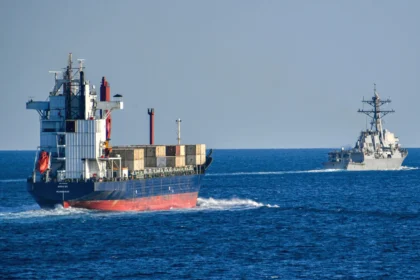
He pointed out that shipping companies are the clearest example of businesses that will be exposed and feel pressure.
He also considered that the return of sanctions would not impose a complete blockade on Iran. However, it would certainly impose an increase in shipping, import and supply costs.