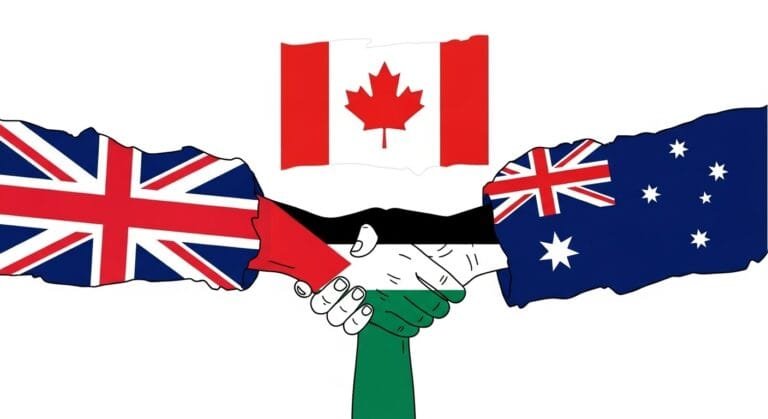
Cairo, Egypt – Britain, Australia, and Canada announced on Sunday, September 21, their official recognition of the State of Palestine. This move represents a clear shift in Western policies toward the Palestinian issue.
British Prime Minister Keir Starmer affirmed in a video address: “In the face of rising tensions in the Middle East, we seek to keep alive the hope of peace and the two-state solution. We guarantee the security and stability of Israel alongside a viable Palestinian state.” He added: “Today, I confirm the United Kingdom’s formal recognition of the State of Palestine. This is a step towards reviving the hope of peace.”
Positions of the three countries
Canada: Prime Minister Mark Carney announced that Canada recognizes the State of Palestine. He affirmed his country’s commitment to partnering to build a peaceful future for both Palestine and Israel.
Australia: Prime Minister Anthony Albanese said the recognition reflects Australia’s respect for the legitimate aspirations of the Palestinian people. This is part of international efforts to support the two-state solution.
Britain: This move comes after London had previously emphasized that recognition must be part of a comprehensive peace process. Israel’s conditions for a ceasefire and the entry of humanitarian aid were among its previous criteria.
Palestinian reactions
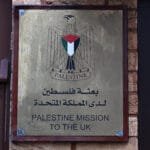
The Palestinian ambassador to Britain, Husam Zomlot, welcomed the decision, describing the recognition as “a correction of history and an end to the denial of the existence of the Palestinian people.” Zomlot explained that the British people should celebrate this historic day. He believes that anyone who opposes this decision is looking to the past, not the future.
Expected international movements
France and Saudi Arabia are scheduled to co-chair a conference on the two-state solution on Monday, September 22.
French President Emmanuel Macron wrote on Twitter that the conference would provide “a new step in mobilizing the international community toward a two-state solution. This will bring peace and security to all.”
Israeli position
The Israeli Foreign Ministry criticized the recognition, describing it as “rewarding terrorism.” Meanwhile, the Israeli government continues to build settlements, including the E1 project, which aims to strengthen the Jewish presence and obstruct the establishment of a Palestinian state on the ground.
Israeli Finance Minister Bezalel Smotrich announced a plan to build a settlement in the area known as “E1,” after more than 20 years of a construction freeze. He emphasized that the project represents “a practical response to any international recognition of a Palestinian state.”
International Recognition: Reality and Challenges
Palestine is currently recognized by more than 150 of the 193 member states of the United Nations. While recent Western recognitions indicate a shift in international policy toward Palestine, they do not mean immediate statehood. The solution remains linked to a broader peace process, including negotiations with Israel.