Washington, United States – The US administration faces growing structural constraints that weaken its strategic capability to use petroleum reserves to stabilize global market fluctuations. These developments follow continuous stock drawdowns aimed at meeting energy demands, directly linking these pressures to ongoing geopolitical tensions in the Middle East region.
According to a report published by Reuters news agency, the Strategic Petroleum Reserve volume has fallen to approximately 289.7 million barrels, marking its lowest level since 1982. This sharp decline resulted from consecutive drawdowns authorized by both former President Joe Biden and current President Donald Trump to address severe supply challenges.
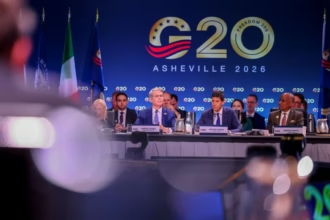
The inventory is projected to drop further to nearly 243 million barrels if the planned release of 39 million barrels is fully executed. These measures align with an international agreement involving over thirty nations to release 400 million barrels to calm price volatility following the outbreak of the crisis.
Operational Risks and Infrastructure Challenges
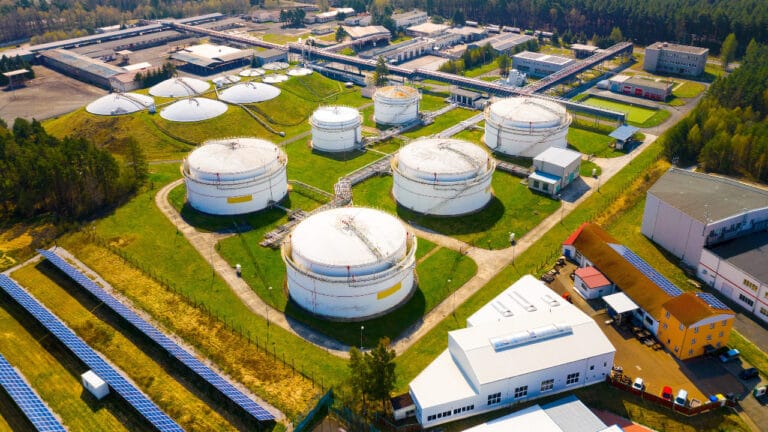
American authorities store crude oil supplies inside massive underground salt caverns located along the coasts of Texas and Louisiana to ensure storage safety. Industry experts estimate that the safe operational minimum required to maintain smooth oil flow stands at roughly 250 million barrels, whereas the physical minimum limit is estimated at 70 million barrels.
Analysts warned that the continued depletion of surplus crude will constrain Washington’s flexibility to intervene rapidly during potential future supply shocks. Furthermore, specialists indicated that declining storage levels escalate operational and technical risks, which could adversely affect the structural integrity and safety of these vital facilities.
Refilling Obstacles and Venezuelan Oil Prospects
For his part, President Trump stated that Washington intends to rebuild the strategic reserve by utilizing crude supplies sourced from Venezuela over the coming period. Despite these expectations, energy analysts emphasized that restoring storage to normal levels could take several years due to complex technical and logistical hurdles.
The Biden administration had previously drawn down approximately 230 million barrels since 2021, facing significant financial obstacles that hinder replenishment efforts. Consequently, available options remain constrained, especially after Congress allocated a modest sum of 171 million dollars for replenishment purposes during the previous fiscal year.
Ultimately, the continued exhaustion of petroleum reserves diminishes Washington’s maneuvering margin when confronting successive international energy emergencies. As a result, global crude prices could face sustained upward pressure given the limited capacity of other major oil producers to rapidly boost production to compensate for shortfalls.