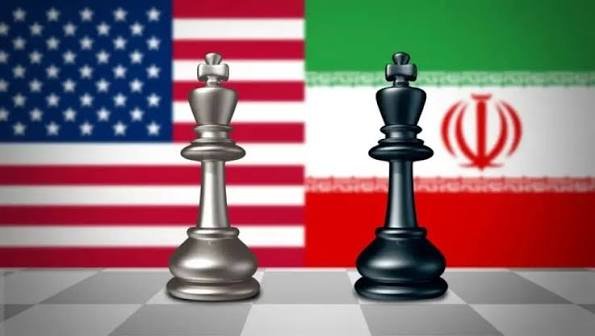
Washington, United States – The US Department of Energy announced on Monday that crude oil stocks in the Strategic Petroleum Reserve fell by approximately 3.1 million barrels over the past week to 286.6 million barrels, marking the lowest level recorded since November 1982. These developments come amid growing global concerns over international energy supply security against the backdrop of escalating military tensions between the United States and Iran.
This sharp drop aligns with an ongoing US plan involving the release of approximately 172 million barrels from the reserve, a strategic effort aimed at addressing market needs and absorbing supply volatility during the current period.
Lowest Reserve Level in Over Four Decades
The drop in reserve levels to 286.6 million barrels highlights a significant decline in one of Washington’s primary tools for mitigating energy crises and cushioning global supply shocks. Consequently, this historical reduction raises serious questions among analysts regarding the US administration’s remaining room for maneuver should geopolitical tensions persist and disrupt global crude flows.
Oil Prices Surge Amid Escalating Military Confrontation
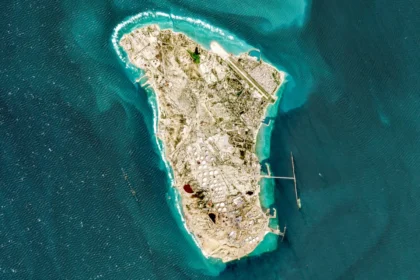
In commodity markets, crude oil prices rose by over 2% on Monday as direct military strikes resumed between the US and Iran, renewing fears of potential disruptions to global crude supplies. On Sunday, US forces bombed two launch platforms on Larak Island near the strategic Strait of Hormuz, marking the first known US strikes against Iran since late July, according to Lebanese media reports.
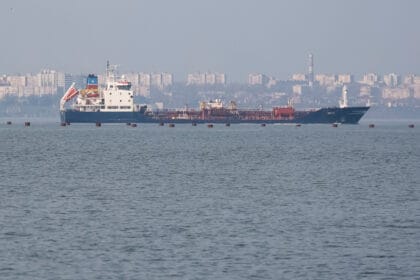
The Strait of Hormuz serves as a critical maritime artery for global oil trade, ensuring that any navigational disturbance or security risk directly impacts international market pricing and stability.
Mutual Escalation and Energy Security Challenges
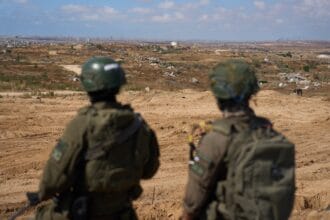
Concurrently, Iranian state media quoted the Islamic Revolutionary Guard Corps stating that Tehran launched attacks targeting two US airbases in Jordan. This mutual military escalation exerts further pressure on global energy markets amid rising fears that a widening conflict could directly impact crude supply chains.
Ultimately, this historic drawdown in the US Strategic Petroleum Reserve presents serious challenges for Washington, shrinking its cushion against unexpected supply disruptions if regional hostilities continue to unfold.