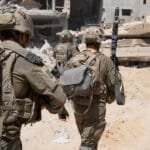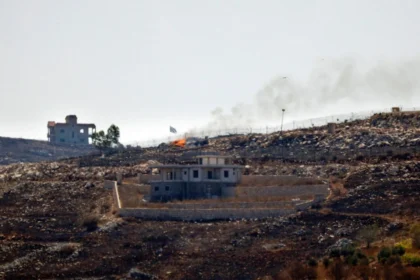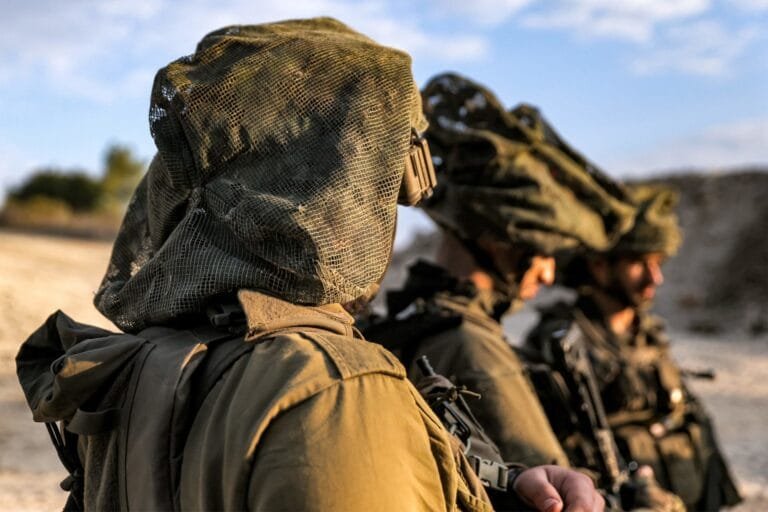
Tel Aviv, Israel – In a notable development on the ground that reflects the fragility of the security situation on the northern border, the Israeli army announced on Sunday the death of one of its officers and the injury of another soldier during a violent armed clash with a Hezbollah fighter inside the village of Deir al-Suryan in southern Lebanon.
A statement issued by the Israeli army explained that the force encountered resistance during its operations in the area. Hezbollah media outlets, however, confirmed the clash, stating that a Hezbollah fighter successfully engaged the Israeli force before withdrawing from the position. He reportedly left behind one dead and one wounded among the attacking force. This incident underscores the continued friction on the ground despite diplomatic efforts to de-escalate the situation.
Explosion in Holon
In a separate incident, uncertainty gripped the city of Holon, south of Tel Aviv, following reports in Israeli media of a car bomb explosion. Israeli authorities have yet to issue an official statement clarifying the extent of casualties or damage, or identifying those responsible. However, the timing of the explosion, amidst escalating tensions on the border, has heightened security alert levels within Israel.
Framework agreement and US efforts
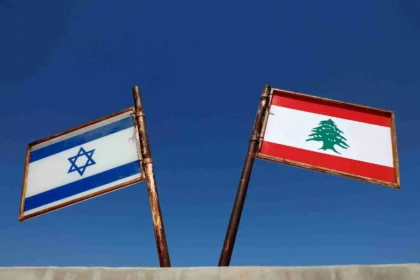
These developments on the ground come at a politically sensitive time, following the announcement of a framework agreement between Lebanon and Israel, brokered by the United States in Washington. This development came after a fifth round of intensive negotiations that lasted four days. The agreement is seen as the first real breakthrough in implementing the ceasefire. The US administration is working diligently to solidify the truce and establish practical arrangements to ensure border stability. It also aims to prevent the two sides from sliding into a full-scale confrontation.
Observers believe that the clashes in Deir al-Suryan pose a difficult test to the recent understandings reached in Washington. They also raise questions about the parties’ ability to control the situation on the ground, given the presence of pockets of resistance and escalating tensions.
While Washington continues its diplomatic efforts to advance the implementation arrangements, all eyes remain on the extent to which both sides will exercise restraint in light of sporadic security incidents. These incidents threaten to undermine any diplomatic progress, especially given the ambiguity surrounding the Holon explosion and its potential security implications at this exceptional time.