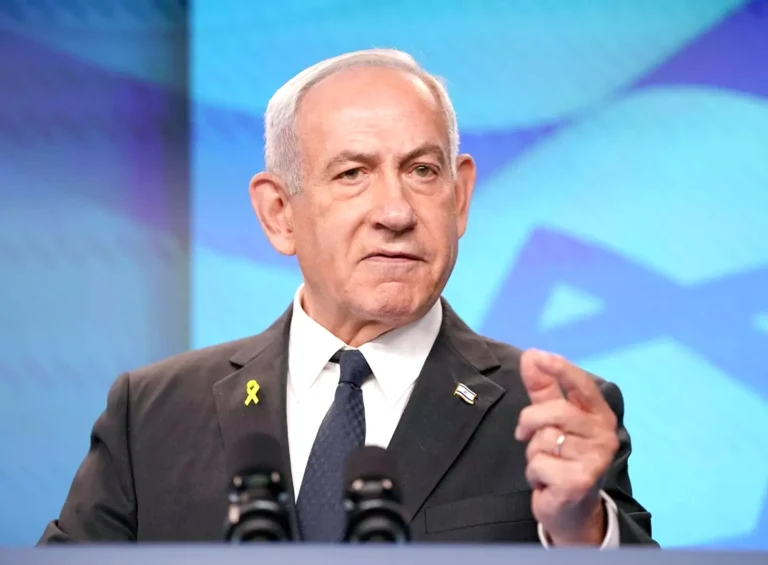
Tel Aviv, Israel – Israeli Prime Minister Benjamin Netanyahu affirmed that the Israeli army will maintain its presence in southern Lebanon “as long as necessary.” He also emphasized that Israel will not allow Iran to acquire nuclear weapons. His remarks reflect his government’s commitment to continuing military and security pressure on multiple fronts in the region.
Maintain military presence in the south
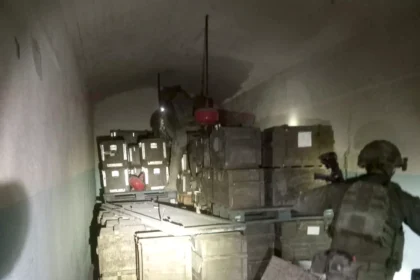
Netanyahu said that Israeli forces will remain in southern Lebanon as required by security and field considerations.
He considered that the continuation of military operations aims to prevent any potential threats to Israel’s security from Lebanese territory.
These statements come in light of the continuing confrontations and tensions on the northern border.
Israel confirms that its operations aim to undermine the military capabilities of the armed factions and prevent their repositioning near the border.
Direct messages to Iran
Regarding the Iranian issue, Netanyahu reiterated his firm opposition to Tehran possessing any military nuclear capabilities. He affirmed that Israel will continue to take all necessary measures to prevent Iran from acquiring nuclear weapons.
Netanyahu added that his government is closely monitoring developments related to international negotiations and communications concerning the Iranian nuclear program. He also emphasized that Israel’s security will remain a non-negotiable priority.
Potential regional repercussions
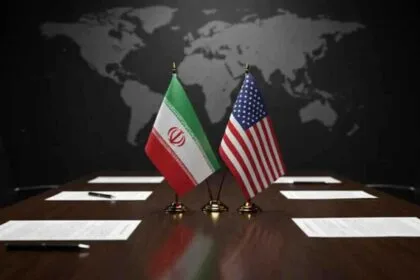
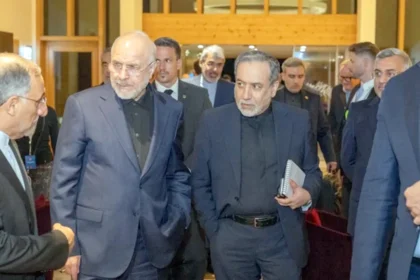
Netanyahu’s remarks come at a time of rapid diplomatic activity in the region. This coincides with US-Iranian talks hosted by Switzerland and international efforts to reduce regional tensions.
Observers believe that Netanyahu’s linking of the military presence in southern Lebanon to the Iranian nuclear issue reflects an Israeli view that security threats in the region are interconnected.
They also believe that any international agreements with Tehran must include clear guarantees preventing
the development of military nuclear capabilities or the strengthening of the influence of its allied groups in the region.