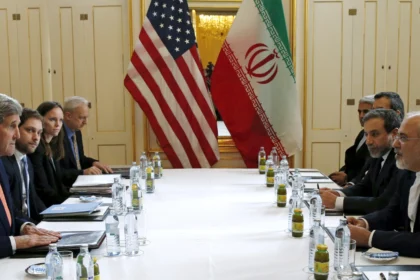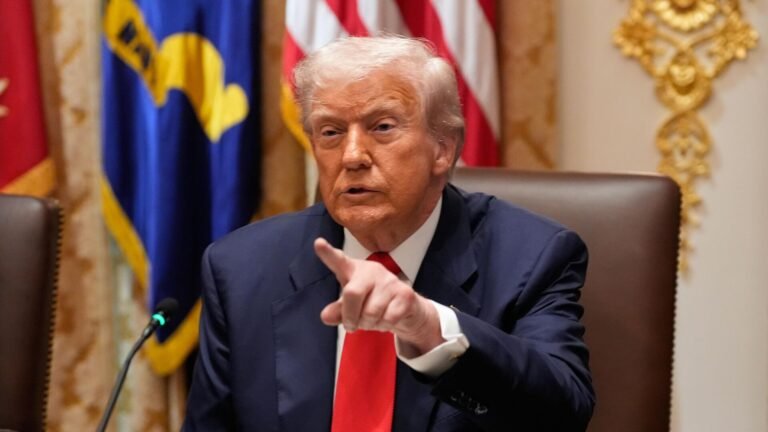
Washington, USA – U.S. President Donald Trump has emphasized that ongoing understandings with Iran cannot cover all contentious details and issues at once. Consequently, Trump noted that any potential agreement aims primarily to establish a general framework for relations. It also seeks to create conditions for addressing outstanding files in later stages. Moreover, the U.S. President clarified that the U.S. sanctions imposed on Tehran will remain directly linked to Iranian government behavior. They are also tied to adherence to agreed-upon pledges. As a result, Washington will monitor the implementation of agreed-upon terms before taking any further steps regarding easing economic restrictions or expanding cooperation. Thus, the U.S. administration is adopting a cautious strategy. This approach does not sacrifice political and economic leverage before tangible results are achieved.
Building Trust and Avoiding Escalation
Trump pointed out that current negotiations focus on building trust and avoiding escalation, noting that reaching a comprehensive understanding requires time and sustained efforts from all parties. Accordingly, preliminary agreements by nature cannot address all the complex political, security, and economic issues. These issues have accumulated over years of tension between the two countries. In addition, observers believe that linking U.S. sanctions to Tehran’s behavior reflects the U.S. administration’s desire to retain key leverage tools. Conversely, this approach ensures the U.S. can review or adjust understandings based on developments on the ground. Consequently, Washington treats the expected deal as a first step in a long process. This process is for managing disputes.
Economic Impacts and Future Stakes
Experts believe that the success of the negotiating path could positively impact energy markets and international trade, given the region’s importance to global oil flow. On the other hand, achieving a real breakthrough remains contingent upon the ability of both sides to overcome the most complex issues in future rounds of dialogue. Consequently, the current diplomatic movement opens the way for new trade and economic arrangements if both parties adhere to the terms. Ultimately, recent U.S. statements confirm that U.S. sanctions remain a necessary tool to ensure the implementation of any future understandings. Accordingly, Washington will continue its role in managing these balances. This approach aims to ensure regional stability without abandoning its policy of pressure.