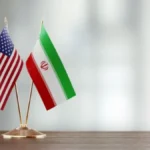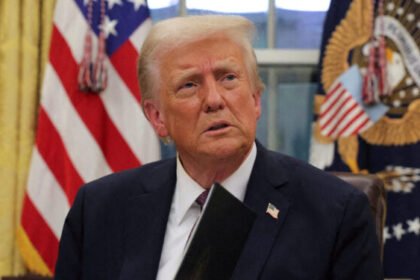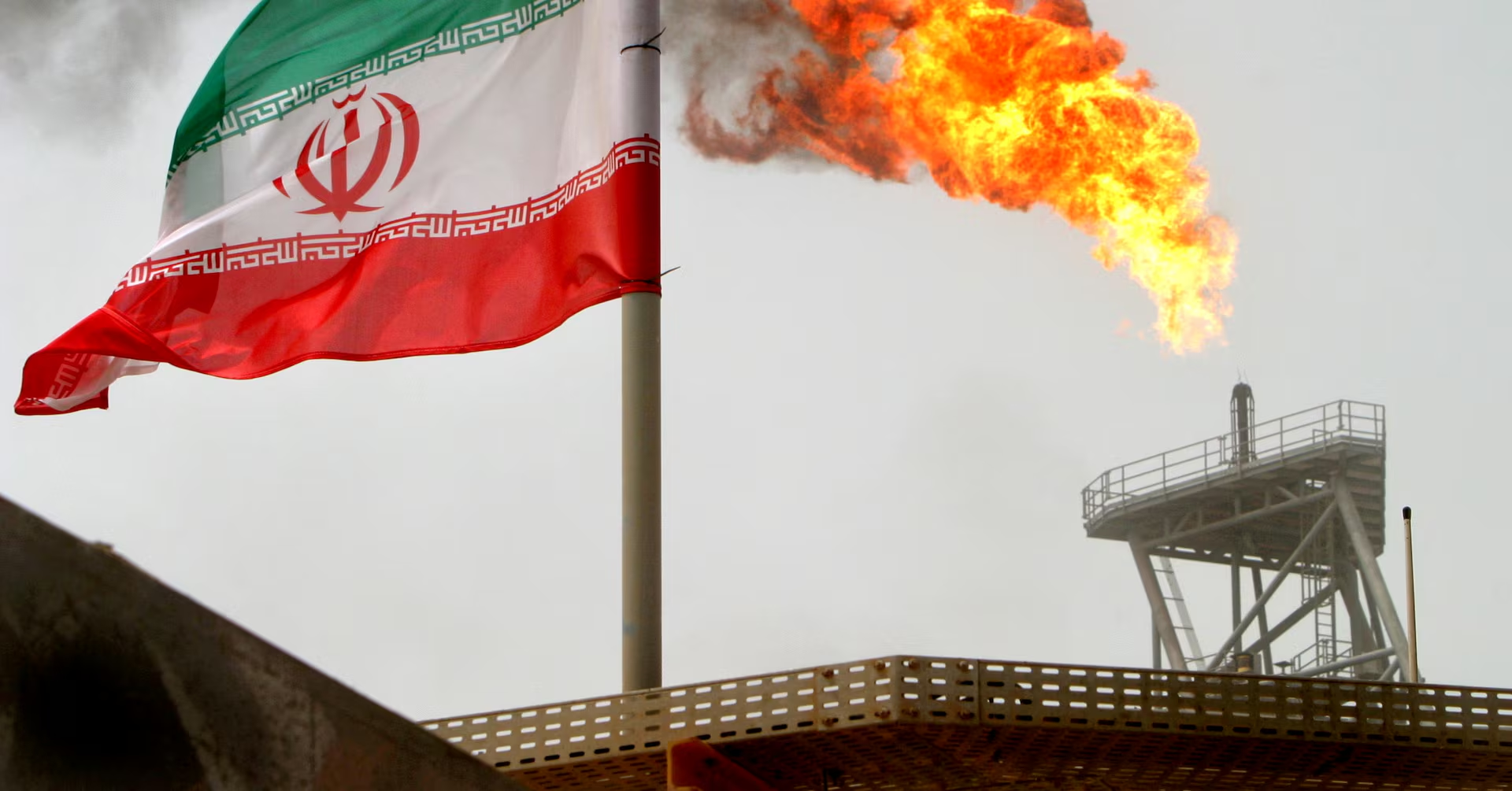
Washington, USA – A US administration official confirmed that Tehran will not be able to resume oil exports freely unless it fully adheres to all terms of the agreed-upon deal. Consequently, Washington requires guarantees for freedom of navigation in the Strait of Hormuz and a complete abandonment of any nuclear weapons ambitions. Moreover, the official emphasized that any easing of economic restrictions is directly tied to complete compliance with international agreements. As a result, the issue of oil exports is not separate from Iran’s regional and security behavior. Thus, the United States is setting clear conditions for dealing with this strategic file.
The Strait of Hormuz and Global Energy Security
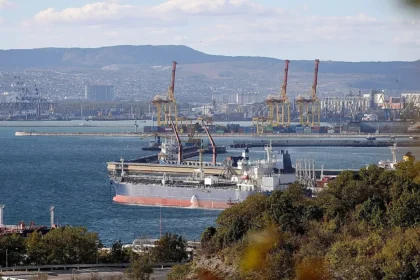
Washington considers the issue of guaranteeing freedom of navigation in the Strait of Hormuz a cornerstone of any future understanding. Accordingly, any threat to shipping in this vital passage will directly impact the trajectory of oil-related understandings with Tehran. In addition, the US administration is closely monitoring Iran’s commitments regarding maritime security. Conversely, observers view linking oil exports to regional security as a reflection of Washington’s strategy to pressure Iran from multiple fronts. Consequently, maintaining the stability of global energy markets remains a goal parallel to political objectives in these negotiations.
The Nuclear File and Continuous Diplomatic Pressure
The US official stressed that preventing Iran from possessing nuclear weapons is a firm foundation for any anticipated agreement. On the other hand, Washington will continue to exert diplomatic and economic pressure to ensure Tehran’s full compliance. Consequently, the option of sanctions remains available should there be any backsliding on commitments. Ultimately, current US policy is based on a smart integration of diplomacy and economic pressure to prevent any escalation that threatens international security. Accordingly, the file of Iranian oil exports will remain closely tied to the success of these pressures in achieving long-term stability in the region.