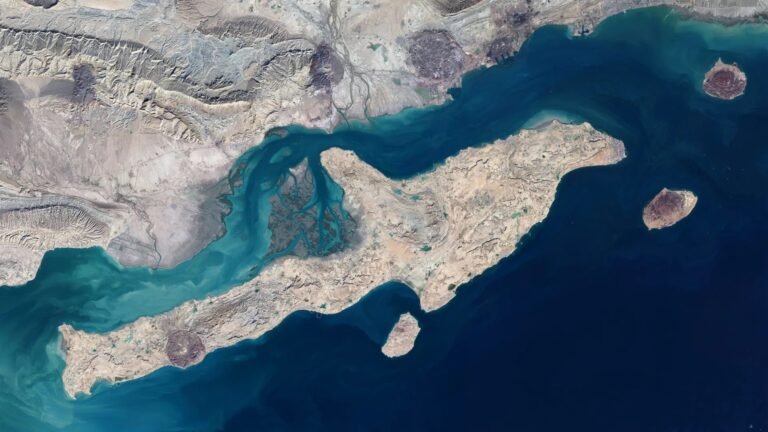
Tehran, Iran — In a fresh escalatory maneuver reasserting its grip over strategic waterways, Iran’s Khatam al-Anbiya Central Headquarters—responsible for strategic defense operations—issued a major military statement regarding navigation protocols in the Strait of Hormuz, announcing strict new regulations on international transit.
Designated Pathways and IRGC Advance Clearances
The military statement affirmed that safeguarding navigation within the Strait of Hormuz mandates that all commercial vessels and oil tankers fully comply with cruising through “specific, pre-designated mandatory pathways” outlined by Iranian authorities. A pivotal clause in the decree compels these transit ships to secure “advance authorization and permits” from the Islamic Revolutionary Guard Corps (IRGC) Navy prior to initiating their passage through the strait. The command emphasized in its declaration—carried by Iranian state media—that any breach or violation of these updated statutes “will gravely jeopardize navigation security and vessel movement,” signaling Tehran’s readiness to take immediate operational field actions against non-compliant ships.
Sharp and Direct Warnings to Foreign Military Deployments
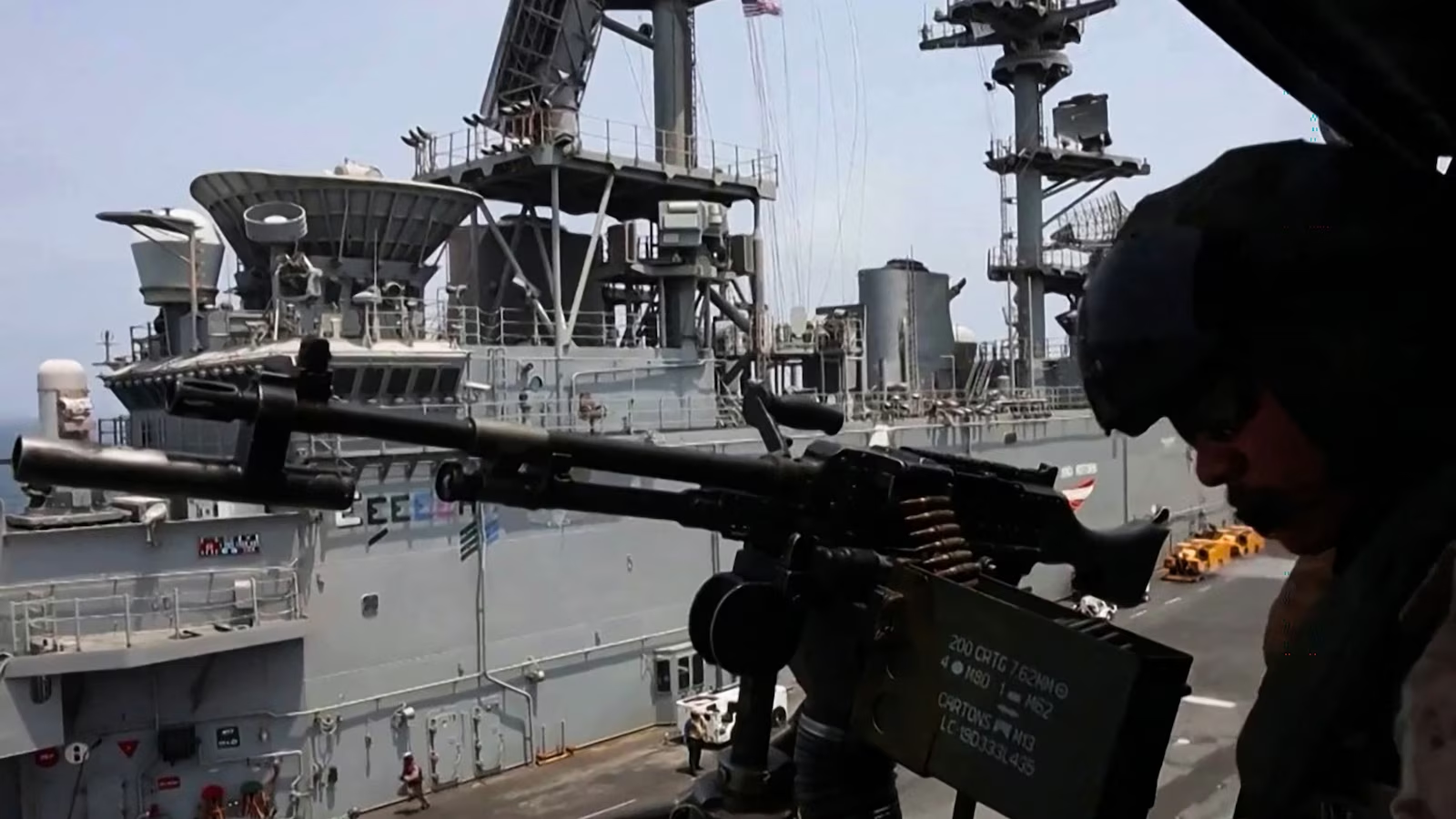
The military directive was not limited to regulating commercial maritime traffic, but extended a sharp, direct warning to foreign naval forces operating in surrounding waters. The Khatam al-Anbiya command warned that “any action taken by foreign warships to interfere in the management of the Strait of Hormuz, or any attempt to disrupt maritime traffic, will be directly and instantly targeted by the Armed Forces of the Islamic Republic.”
Global Anxieties Over a New De Facto Hegemony
These rigid directives surface during a period of escalating maritime friction across the Gulf of Oman and the Strait of Hormuz between Iran and Western powers, compounded by reciprocal ship interceptions and competing bids for control over critical checkpoints. Iran maintains that these protocols fall strictly under “protecting national security and supreme sovereign interests.” Conversely, international maritime observers view the development as a calculated bid to institute a new de facto reality that tightens Iranian oversight over the world’s most critical energy artery, triggering global anxieties that such steps could ignite swift military friction in an already volatile security environment.