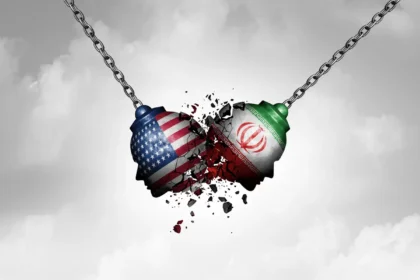
Tel Aviv, Israel – In a preemptive move reflecting deep concern over the impact of geopolitical conflicts on economic stability, the Central Bank of Israel has announced an interest rate cut. This decision stems from a careful reading of the indicators of “uncertainty” looming over the markets. Regional tensions, particularly with Iran, have become a major obstacle to growth and financial stability. The Central Bank did not merely announce the cut; it issued a strong warning that the continued conflict could push the economy toward a slowdown in vital sectors. Therefore, flexible monetary policies are needed to contain the fallout.
Economy in the “Cage” of Geopolitical Tensions
Furthermore, the Bank’s statement noted that uncertainty has become a direct factor pressuring capital flows and investor confidence. Sectors like “investment, tourism, and technology”—the engines of the Israeli economy—have already begun feeling the brunt of this pressure. Consequently, monetary policymakers fear that these developments will lead to:
- Growth Slowdown: Declining economic activity in sectors most sensitive to tension.
- Rising Costs: Increased burdens on public spending due to bloated security and emergency budgets.
- Shaken Confidence: Reduced attractiveness of the local market for foreign capital amidst the turbulent landscape.
Monetary Policy.. A Hostage to the Field
In the same context, Israeli financial markets have become closely linked to the course of regional events. Every security development carries immediate economic consequences. As a result, monetary policy is increasingly becoming a “hostage to the field.” Experts explain that the Central Bank is attempting to create a “fragile balance” by easing financing burdens for companies and individuals. At the same time, they acknowledge that these monetary tools have limited impact unless the security situation stabilizes. This remains the decisive factor in shaping the next phase.
Future Outlook: Are We Facing an “Austerity Phase”?
Ultimately, this decision leaves Israel facing the challenge of balancing high defense needs with the requirements of maintaining a healthy national economy. International financial institutions are closely monitoring these repercussions. There are expectations that these monetary policies will remain “temporary” and dependent on whether regional tensions worsen or subside. The Israeli economy is undergoing a severe test, where economic data is no longer sufficient to predict the path. Rather, the language of “cannons” and regional alliances is now writing the lines of the next economic report.