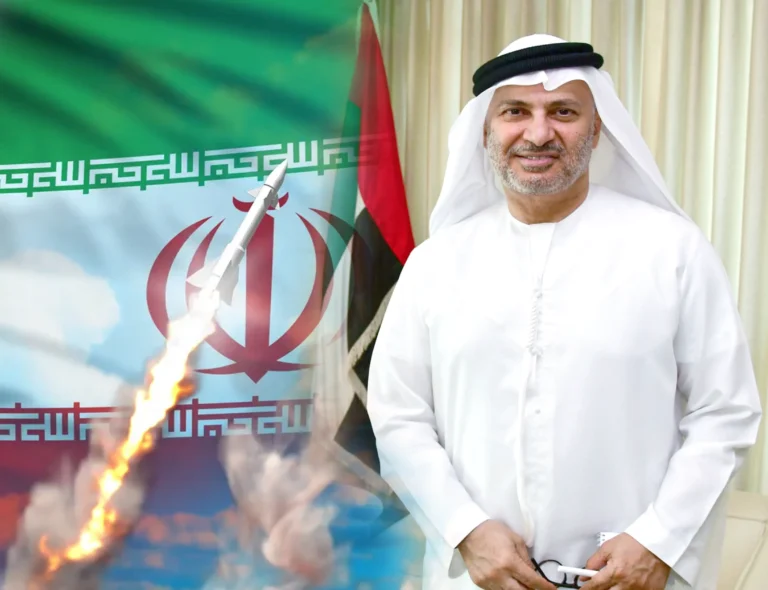
Abu DHABI, UAE – Dr. Anwar Gargash, diplomatic advisor to the President of the UAE, confirmed that any further round of fighting between the United States and Iran will further complicate matters. Pointing out that Iran has missed many opportunities due to its exaggerated pressure cards, he called for a political settlement that addresses the root causes of the unrest in the region. At the same time, he considered that the Iranian nuclear program had become the primary source of concern.
Gargash said at the (Globsec) Global Security Conference in Prague: “The chances of reaching an agreement or not are equal”. What worries me is that Iranians always tend to over-negotiate.
“Iranian officials have missed many opportunities over the years because of their tendency to overestimate their cards,” he continued. “I hope they don’t do that this time,” he added.
Gargash added that the region needs a political solution, and that another round of fighting between the United States and Iran will further complicate matters.
But Gargash stressed that focusing negotiations solely on reaching a ceasefire risks paving the way for conflicts to erupt later if the two sides do not reach a solution to the root causes. “This is not what we are after,” he said.
Politicization of the Strait of Hormuz
Gargash warned that any control over the Strait of Hormuz would set a dangerous precedent by politicizing the strategic waterway and placing it under Iran’s influence.
He pointed out that any changes in the status of the strait would have serious global consequences, including consequences for Europe. He urged European countries to view the issue as directly related to their energy security and commercial interests.
He said that the status of the Strait of Hormuz must return to what it was before the war, as an international waterway that guarantees the free flow of energy supplies, trade, and maritime traffic, as it has been for decades.
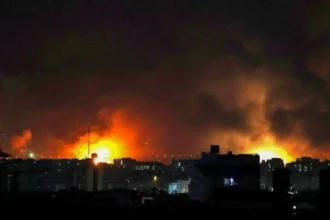
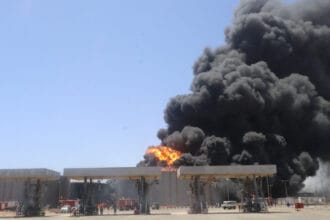
He confirmed that his country was targeted by about 3,300 drones and missiles during the 40 days of the war that began on February 28. Only about 4% of them exceeded air defenses.
With US negotiators focused on the possibility of Iran developing a nuclear weapon, Gargash said: “The Iranian nuclear program was our second or third concern, but now it is our first concern”.
He added: “We see that Iran is capable of using any weapon in its hands, this is what we have learned”.