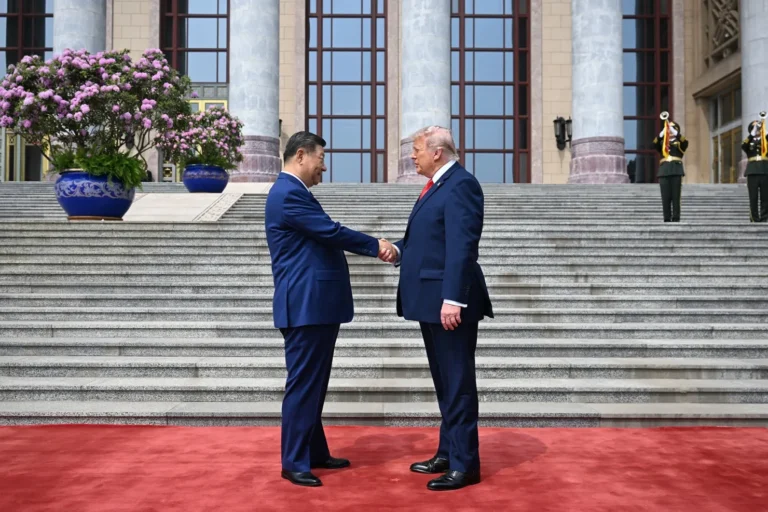
Washington – The U.S. Treasury Secretary stated that the United States expects China to act “behind the scenes” to help reopen the Strait of Hormuz and ensure the continuity of commercial shipping. This American expectation comes amid escalating regional tensions that have sparked widespread concerns regarding global energy supplies.
The Secretary explained that Beijing, as one of the largest importers of oil through this vital waterway, possesses significant economic and strategic incentives to exercise quiet diplomatic pressure. These moves, according to the U.S. view, aim to maintain the flow of international trade and prevent the crisis from worsening.
Economic Implications and International Pressure
The U.S. official noted that any long-term disruption in the Strait would have direct and catastrophic repercussions on global energy markets. He emphasized that the international community recognizes the critical importance of keeping this maritime corridor open, asserting that the U.S. administration continues to coordinate with partners to monitor field developments and contain any escalation that might threaten regional stability.
The Strategic Significance of the Strait of Hormuz
The Strait of Hormuz is classified as one of the most important maritime arteries in the world, with a high percentage of global oil and gas exports passing through it. This geopolitical standing makes any tension in the area a matter of national security for major powers, explaining the U.S. move to involve international players, including China, in the mission of securing navigation.