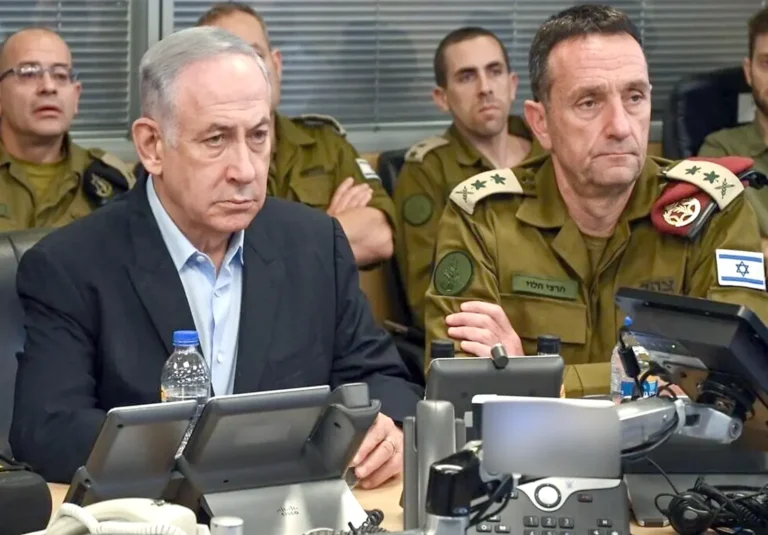
Tel Aviv – In a move threatening the total collapse of a fragile truce, Prime Minister Benjamin Netanyahu announced the necessity of continuing and expanding military operations within Lebanese territory. Netanyahu asserted that Hezbollah’s continued possession of an advanced arsenal of missiles and drones forces Israel to act immediately, regardless of existing ceasefire understandings. He clarified that Tel Aviv will not settle for defense but will employ a “mix of operational and technical action” to strike launch pads and weapon depots, maintaining that the security of northern towns can only be achieved by completely dismantling the group’s offensive capabilities.
“South of the Litani” Under Fire: How Does Israel Justify Ceasefire Violations?
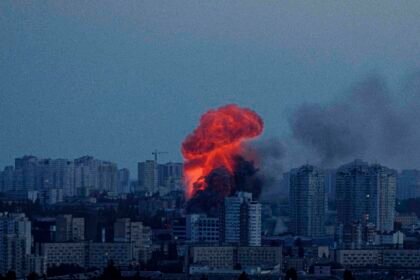
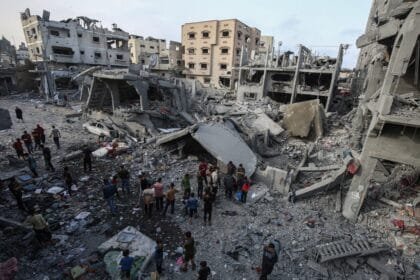
Israeli aircraft and artillery continue to carry out precision strikes in southern Lebanon and north of the Litani River—areas that were supposed to be under strict security arrangements per the agreement. Obviously, Netanyahu justifies these raids as preemptive “defensive measures” to prevent any imminent attack. As a result, southern Lebanon remains in a state of high alert amid non-stop airstrikes, as the IDF confirmed it is operating in “various ranges” to curtail Hezbollah’s initiative, making the agreement appear as “ink on paper” against the flaming field reality.
Global Warnings of “Total Confrontation”: Will Netanyahu Succeed in Dragging the Region to War?
These escalatory remarks come amid a continuous exchange of accusations between Beirut and Tel Aviv over breaching truce terms, amid mounting international concern. Accordingly, analysts believe that Netanyahu’s insistence on expanding military operations at this time aims to impose a new reality on the ground before any final political settlement. Amid ongoing mutual field operations, warnings are increasing that a single spark in southern Lebanon could expand the confrontation to include the entire region, especially given the Lebanese front’s link to other highly complex regional files.