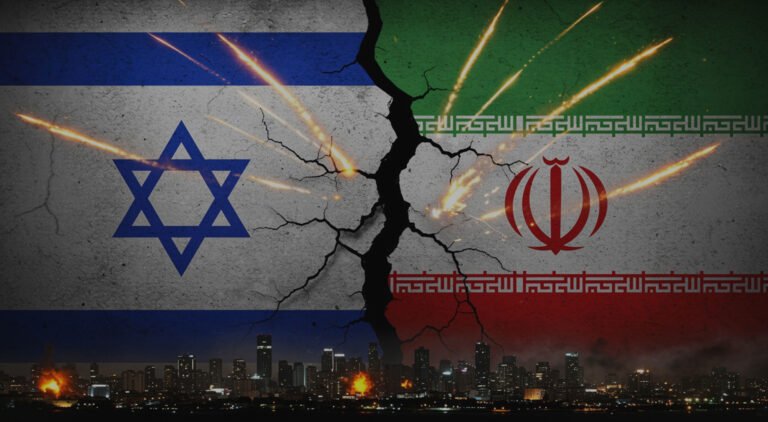
Tel Aviv – In a dangerous development reflecting regional tensions reaching a “point of no return,” Israel has officially notified the United States of its intent to resume direct military operations against Iran. Sources clarified that the Israeli leadership considers the military option a “categorical necessity” for national security, claiming that political paths have failed to contain Iranian threats. Accordingly, the Israel-Iran escalation 2026 represents a decisive turning point, as Tel Aviv seeks to secure American political and military cover before initiating any field action that could ignite fronts across the Middle East.
Mutual Mobilization: Is “Zero Hour” Approaching Deep Inside Iran?
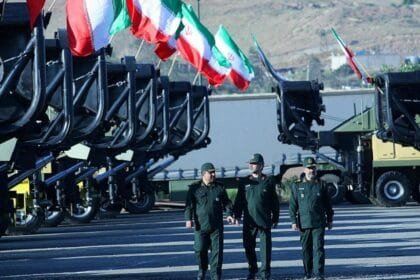
Reports indicated that Tel Aviv has intensified contacts with Britain and France to ensure no opposition to military action, while Tehran responded by raising its readiness to maximum levels and moving forces to strategic and sensitive locations. Obviously, the mutual warning messages reflect a state of “balance of terror,” with Iran vowing a crushing response to any attack. As a result, international circles are concerned that any military spark could transform into an open confrontation involving other regional players, putting the entire region’s stability at stake.
Global Threat: Energy Security and Navigation at the Mercy of Conflict
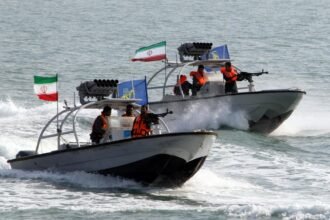
This escalation comes at a highly sensitive time for the global economy, as any direct clash threatens maritime movement in the Strait of Hormuz and international energy security. Certainly, the international community is cautiously monitoring Israeli-US consultations, fearing a paralysis of global trade corridors. Accordingly, the Israel-Iran escalation 2026 remains the greatest challenge facing major powers, amid final attempts to contain the crisis before it spirals out of control into a “total war” transcending regional borders.