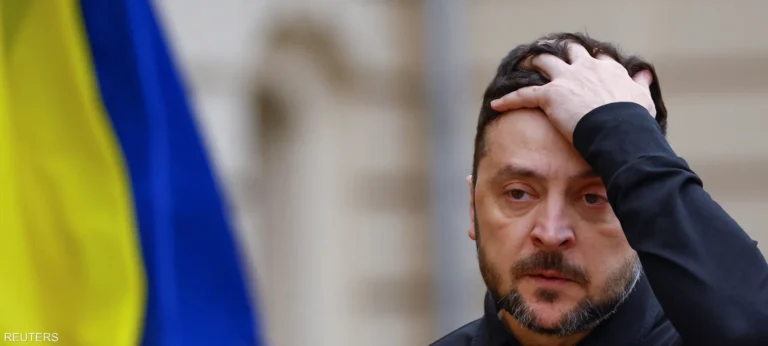
Kyiv, Ukraine – Ukrainian President Volodymyr Zelensky painted a grim picture of the next phase of the conflict, asserting that the spring and summer months will be “very difficult” for Ukraine, not only on the battlefields but also diplomatically, as Kyiv faces mounting pressure to make concessions to end the war.
Partner pressures and the impact of the “Middle East crisis”
In a notable statement released by his office on Friday, Zelensky revealed that Ukraine’s international partners (without naming them) had explicitly asked Kyiv to “reduce” its drone attacks on Russian oil and energy facilities. These requests come amid global concern over soaring fuel prices, fueled by the war with Iran and escalating tensions in the Middle East, particularly the closure of the Strait of Hormuz, which has disrupted global energy calculations.
Zelensky explained that the allies are striving to stabilize the markets, but he defended Kyiv’s strategy, saying, “The Russians are now facing significant problems at their facilities. After any attack on our energy sector, we retaliate – and that is perfectly justified. If the Russians want this to stop, they must cease their attacks.” He pointed out that Russian oil does not carry as much weight in the global market as some claim. He also expressed hope that Washington would reinstate full sanctions on Russian oil after the expiration of the 30-day “temporary waiver” granted last March to support market stability.
A deadlocked political horizon and challenges on the ground
On the diplomatic front, Washington, preoccupied with Middle Eastern affairs, appears hesitant to dedicate more time to the Ukrainian peace process. Zelenskyy expressed his willingness to de-escalate the situation, provided Moscow ceases targeting Ukrainian infrastructure and agrees to resume US-mediated trilateral talks within the next three months. However, the Ukrainian president acknowledged that the situation will remain complex until September. He stated, “This spring and summer will be very difficult, both politically and diplomatically. Ukraine may face pressure… and there will also be pressure on the battlefield.”
The Field: The Struggle of the Marches and the Donbas Conundrum
On the ground, fierce fighting continues along a front line stretching over 1,200 kilometers. While Ukraine has intensified its attacks on Russian oil export terminals on the Baltic Sea, such as Ust-Luga and Primorsk, Russia continues its drone strikes deep inside Ukraine. Three rounds of trilateral talks held this year have failed to produce any progress. This comes amid Kyiv’s firm rejection of Russian demands to cede parts of the Donbas region. Therefore, a diplomatic solution seems unlikely under the current circumstances, presenting Ukraine with a double test of resilience against the Russian war machine and the political pressure from its allies.