London, UK – The International Maritime Organization (IMO) warned on Thursday that imposing fees on ships transiting the strategic Strait of Hormuz would set a “dangerous precedent.” It also stressed the need to uphold freedom of navigation in accordance with international laws governing maritime routes.
International rejection of imposing fees on the straits
The UN agency confirmed that no international agreement permits the imposition of fees for transiting international straits. It stressed that such a move would constitute a clear violation of the legal rules governing maritime navigation.
A spokesperson for the agency explained that imposing fees on ships in the Strait of Hormuz could set a precedent for similar practices in other waterways. This threatens the stability of the global maritime order and undermines the principles of free international trade.
The Law of the Sea Convention settles the debate
The organization pointed out that the United Nations Convention on the Law of the Sea clearly stipulates the right of passage for ships through international straits without the imposition of restrictions or charges that impede this right.
It added that states bordering straits are legally obligated not to obstruct or restrict navigation. It also emphasized that any unilateral actions that violate these rules could escalate international tensions.
The Strait of Hormuz: A bargaining chip in the regional conflict
This warning comes as Iranian officials raise the idea of imposing fees on ships. It follows the agreement on a two-week temporary truce between the United States and Iran.
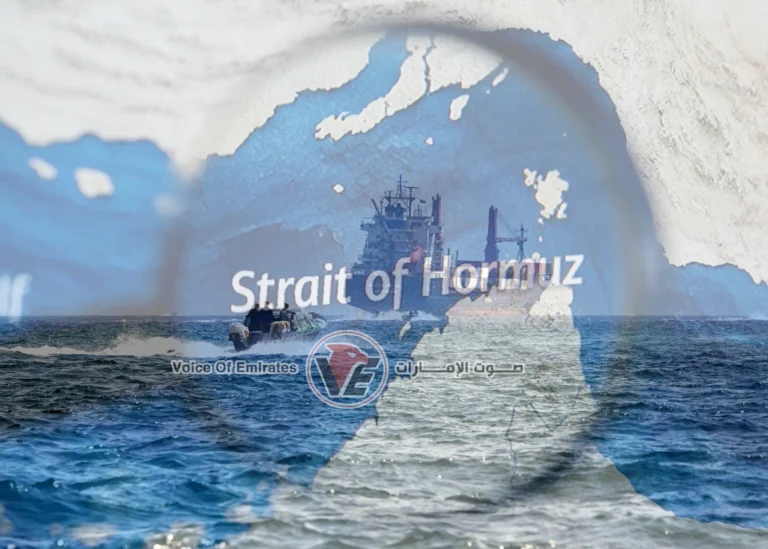
The Strait of Hormuz is one of the world’s most vital waterways. Approximately one-fifth of the world’s oil trade passes through it, making it a highly sensitive strategic point in any regional or international escalation.
The organization stressed that maintaining the free flow of navigation in this vital waterway is a shared international responsibility. It also warned that any further restrictions could directly impact energy markets and global supply chains.