Tel Aviv, Israel – Israeli Prime Minister Benjamin Netanyahu issued a veiled threat to Iran’s new Supreme Leader. He asserted that Israel would not guarantee the safety of Iran’s leaders or their allies.
This threat came during his first press conference since the outbreak of the war.
Netanyahu stated that Iran “is not the same” after the airstrikes carried out by the United States and Israel over the doodie past two weeks.
He explained that Tehran had suffered significant losses within the ranks of the Revolutionary Guard.
Furthermore, he mentioned losses in the Basij militia.
A threat to the leaders of Iran and Hezbollah
Netanyahu responded to a question about potential Israeli actions against Iran’s new Supreme Leader, Mojtaba Khamenei, and Hezbollah Secretary-General Naim Qassem. He said, “I cannot guarantee the safety of any of the leaders of this terrorist organization.”
He added that he did not intend to give specific instructions regarding future steps. However, he emphasized that Israel would continue to act against what he described as threats emanating from Iran and its allies in the region.
He vowed to continue targeting Hezbollah
The Israeli prime minister affirmed that his country would continue targeting Hezbollah in Lebanon. He stated that the Iranian-backed group launched its attack on March 2nd. This was in retaliation for the killing of Iranian Supreme Leader Ali Khamenei at the start of the war.
He added that Iran and Hezbollah no longer pose the same level of threat as before. He was referring to the impact of the recent military strikes.
Ongoing coordination with Washington
Netanyahu revealed that he speaks daily with US President Donald Trump. He explained that the communications between the two sides are characterized by freedom and transparency. This is within the framework of the existing military and political coordination between the two countries.
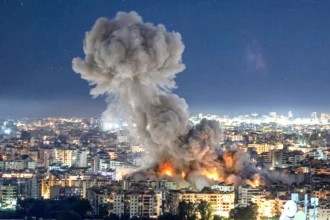
Netanyahu’s statements come at a time of significant military escalation in the region following the strikes targeting Iran. This has been followed by tensions and reciprocal military operations in several areas of the Middle East.