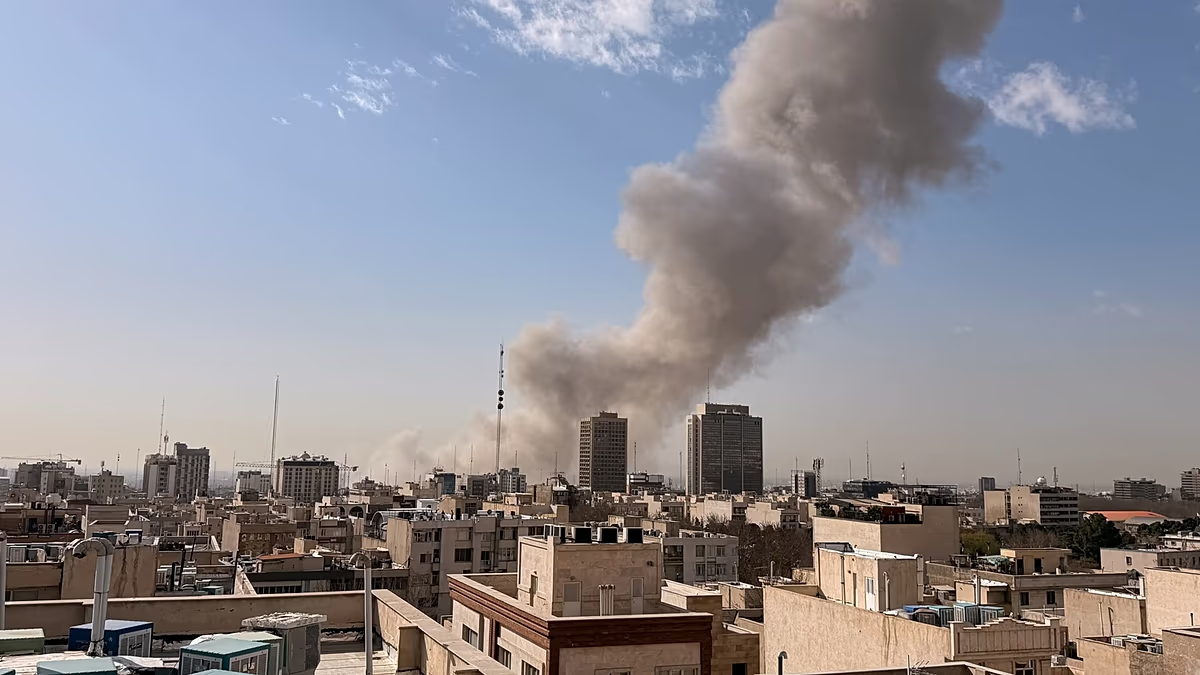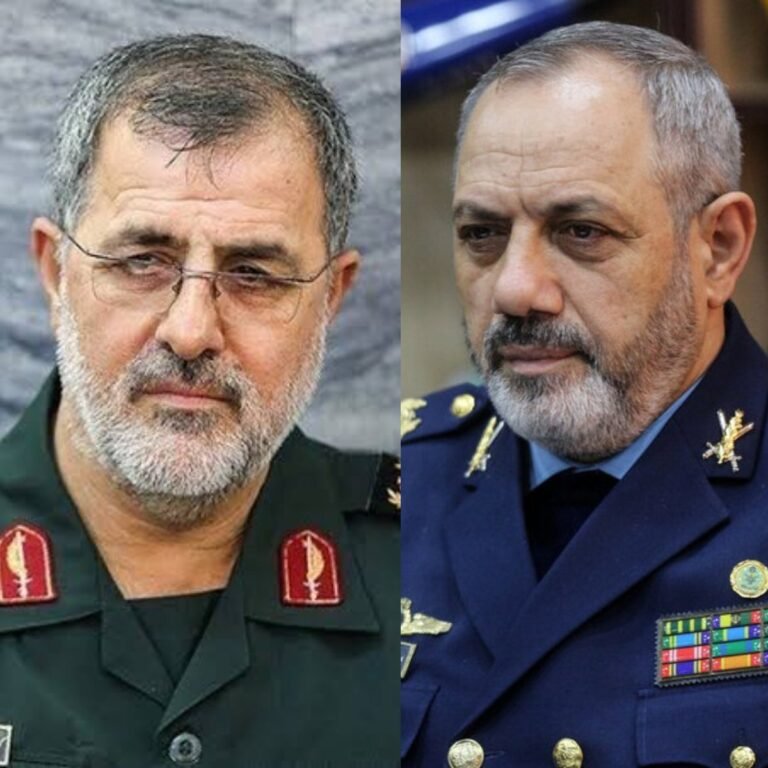
London, Britain – In a seismic development that has redrawn the map of confrontation in the Middle East, Reuters news agency, citing three independent and informed sources, revealed the assassination of Iranian Defense Minister Aziz Nasirzadeh and the commander of the Iranian Revolutionary Guard’s ground forces, Mohammad Pakpour. This came in the wake of concentrated Israeli airstrikes targeting strategic sites deep inside Iran.
Details of the operation: A stunning intelligence breakthrough
Three sources confirmed to Reuters that the two high-ranking officials were killed in meticulously coordinated Israeli airstrikes. The agency quoted a source familiar with the Israeli military operations as saying that Tel Aviv is certain its attacks successfully eliminated the “tops of the security hierarchy” in Tehran. The source also suggested the assassination list could expand to include other officials who were in the vicinity of the targeted sites. This operation reveals an “unprecedented” Israeli intelligence penetration of the Iranian command and control system. The missiles successfully reached their targets precisely when the top military commanders were present, reflecting the accuracy of the real-time intelligence possessed by the operations room.
The burden of the victims: the loss of “mind” and “arm”.
This strike represents the loss of two of Iran’s most important pillars of its defense system: Aziz Nasirzadeh, as Minister of Defense, was the primary supervisor of missile programs and strategic defense cooperation, and the driving force behind military manufacturing. Mohammad Pakpour, as a commander in the Islamic Revolutionary Guard Corps (IRGC), represented the regime’s strike force and the backbone of its internal security and external influence. Observers believe that the simultaneous loss of these two figures surpasses the strategic and symbolic impact of the 2020 assassination of Qassem Soleimani, as it struck at the very top of the ministerial and operational hierarchy within Tehran itself.
Confusion in Tehran and global anticipation
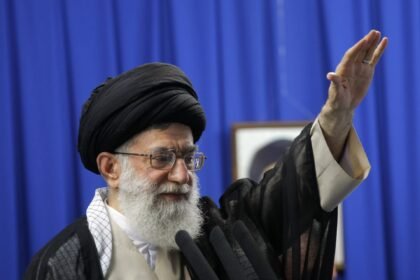
So far, a deafening official silence prevails in Tehran, with no denial or confirmation of the Reuters report. Analysts believe this silence may reflect the extent of the “chaos and shock” currently gripping the Iranian leadership. Internationally, major capitals are watching closely for the next steps. This comes amid fears that this “devastating blow” could push Tehran toward suicidal retaliatory actions that might ignite a full-blown regional war with no end in sight.